How to Use a Template Lease Agreement for Safe and Legal Rentals
A template lease agreement is basically a pre-written contract that helps you rent out property without starting from scratch, saving you time while keeping things legal. If you use one correctly, you can have the peace of mind that your rights as a landlord or tenant are protected under state laws. Rest assured, we will show you exactly how to fill it out so nothing important gets missed.
9-11 minutes

Is This Guide for You and Your Rental Situation?
- You are a new landlord who needs a reliable way to start renting out a house or apartment for the first time.
- You are a tenant who wants to understand what clauses should be in your contract before you sign anything.
- You need to renew a lease but want to update the terms regarding rent or pet policies (if you allow animals).
- You are adding a roommate and need to formalize the arrangement so everyone knows their financial responsibilities.
What Do You Need Before You Start Writing?
- Property details including the full street address, unit number, and a list of any included appliances or furniture.
- ID information for every adult who will live in the unit, such as driver's license numbers or passport details.
- Rent specifics like the exact dollar amount, due date, late fee rules, and acceptable payment methods (for example, check or bank transfer).
- State disclosure forms which are often required by law to inform tenants about lead paint, mold, or utility arrangements.
What Are the Essential Clauses Every Lease Must Include?
A valid lease needs specific sections like parties, rent amount, and term length to hold up in court. If you miss these core elements, the agreement might not be enforceable if a dispute happens later on.
| Clause | What It Covers | Why It Matters |
|---|---|---|
| Parties Involved | Names of landlord and all adult tenants | Identifies who is legally responsible for rent and rules |
| Property Description | Full address and specific unit or room details | Clarifies exactly what space is being rented out |
| Lease Term | Start date, end date, and renewal options | Sets the timeline for occupancy and notice requirements |
| Rent Amount | Dollar figure, due date, and late fees | Defines payment expectations and penalties for delays |
| Security Deposit | Amount held and conditions for return | Protects landlord against damage while limiting tenant risk |
| Maintenance Duties | Who fixes what and how to report issues | Prevents confusion over repairs and habitability standards |
Good to know: Most states require leases longer than one year to be in writing under the Statute of Frauds, so keep your records safe.

How Do State Laws Change Your Lease Requirements?
Local rules often override generic templates regarding security deposits and notice periods for ending a tenancy. You can have the peace of mind that checking these specifics keeps you from accidental violations.
Federal guidelines from HUD suggest standard terms for subsidized housing, but your state attorney general likely has stricter limits on fees. For example, New York caps security deposits at one month's rent and requires specific notice windows based on how long someone has lived there.
Watch out: Using a template from another state can lead to unenforceable clauses because laws vary significantly by location.
We recommend visiting the HUD model lease documents for baseline federal standards if you manage public housing units. It is also smart to check the New York tenant rights guide or your local equivalent for exact disclosure mandates.
What Are the Common Mistakes People Make with Templates?
Even with a good form, small errors like vague language or missing signatures can cause big headaches down the road. Don't worry, avoiding these pitfalls is pretty simple once you know what to look for.
- Ignoring local laws. Failing to update the template for city-specific rent control or inspection rules.
- Using ambiguous terms. Writing unclear rules about guests or pets that lead to arguments later.
- Skipping written agreements. Relying on verbal promises which are hard to prove in court.
- Missing essential clauses. Leaving out dispute resolution or maintenance responsibilities entirely.
- Not defining key terms. Assuming everyone knows what "normal wear and tear" means without explaining it.
Quick tip: Always have every adult living in the unit sign the document to ensure everyone is bound by the same rules.
How Can You Customize This Template for Your Needs?
Tailoring the document to your specific property and situation makes it much more useful for everyone involved. The good news is that you don't need to be a lawyer to make these adjustments safely.
- Review the basics: Check that names, addresses, and dates match your actual situation exactly.
- Add specific rules: Include details about parking, storage, or noise levels that apply to your building.
- Set payment methods: Clearly state if you accept online transfers, checks, or cash only.
- Attach addendums: Add separate pages for pet policies or lead paint disclosures if required.
- Finalize signatures: Ensure all parties sign and date the final version before handing over keys.
If you need a tailored solution for your rental property, Documodo can help you customize this template quickly.
Customize This TemplateWhat Happens After You Finish and Sign the Document?
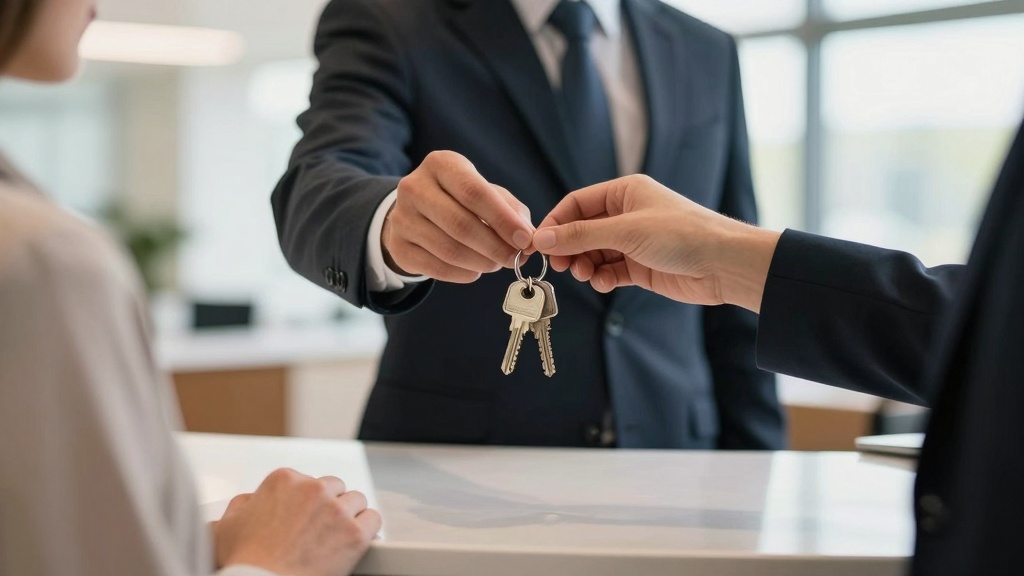
Once everyone has signed, you simply need to distribute copies so each party has a record of the agreement. Keep in mind that this is when you officially hand over keys and set up your system for collecting rent payments.
You can have the peace of mind that having signed copies prevents confusion about move-in dates or deposit amounts later on. Just make sure you store your original in a safe place where you can find it if questions arise.
What Questions Do People Often Ask About Lease Templates?
Is a template lease agreement legally binding in court?
Yes, as long as it includes essential elements like offer, acceptance, and consideration, and both parties sign it voluntarily. Rest assured, courts generally uphold these documents if they follow state laws and do not contain illegal clauses.
Can I change the terms after the tenant moves in?
No, you cannot unilaterally change the lease terms during the fixed term unless the contract specifically allows for it. If you need to make changes, you must get written consent from the tenant or wait until the lease expires to renew with new terms.
Do I need a lawyer to review my template?
While not strictly required for every rental, it is a good idea to have a professional review it if you have unique property rules. For standard residential rentals, using a reputable template that complies with local laws is usually sufficient for most landlords.
Are digital signatures valid on lease agreements?
Yes, electronic signatures are legally valid in most states under federal law. You can simply use a secure platform to collect signatures remotely without needing to meet in person.
What happens if a clause violates state law?
If a specific clause is illegal, a court may strike it out while keeping the rest of the lease valid. However, relying on this is risky, so it is better to ensure all terms comply with regulations before signing.
A template lease agreement is basically a pre-written contract that helps you rent out property without starting from scratch, saving you time while keeping ...
Related Documents
Apartment Lease
An apartment lease is a binding contract that sets the rules for your rental home, covering rent amounts, duration, and responsibilities for both you and the...
Apartment Lease Agreement
An apartment lease agreement is a binding contract that sets the rules for your rent, how long you stay, and who fixes what, so you don't have to guess later...
Business Lease Agreement
A business lease agreement is simply a contract that gives you the right to use commercial space for a set time, usually in exchange for monthly rent. If you...
California Lease Agreement
A California lease agreement is basically a written contract that sets the rules between you and your tenant, ensuring both sides understand their rights und...