What Is an Apartment Lease and How Does It Protect Your Rights?
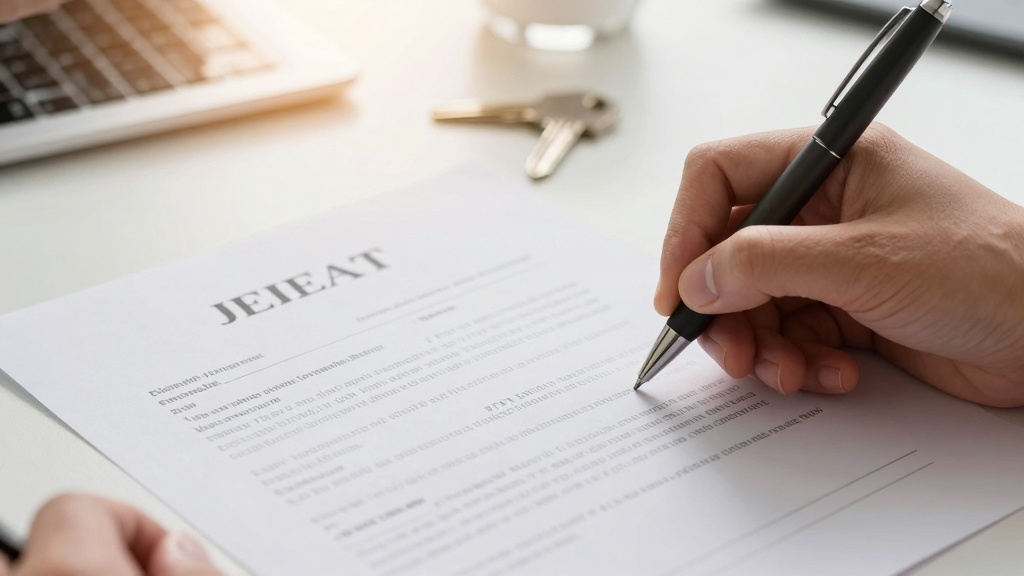
An apartment lease is a binding contract that sets the rules for your rental home, covering rent amounts, duration, and responsibilities for both you and the landlord. If you are worried about understanding legal terms, don't worry, because standard forms are pretty common and manageable with a little guidance. You can have the peace of mind that knowing these basics helps you avoid costly mistakes later on.
9-11 minutes

Is This Guide Right for Your Rental Situation?
- You are renting an apartment for the first time and feel unsure about the paperwork.
- You are a student moving off-campus and need to understand your obligations.
- You are relocating to a new state where rental laws might be different.
- You want to ensure your security deposit is protected under local regulations.
- You are negotiating terms with a landlord and need to know what is standard.
What Do You Need Before Signing Any Documents?
- A valid government-issued ID like a driver's license or passport.
- Proof of income such as recent pay stubs or an offer letter.
- Contact information for previous landlords or personal references.
- Funds ready for the security deposit and first month's rent.
- A notebook or phone to record details during the property walk-through.
What Are the Essential Clauses Every Lease Must Include?
An apartment lease is only as strong as its specific terms, which define exactly what you pay and what the landlord provides. If you skip reading these sections, you might miss critical details about your money or your daily life in the unit. The good news is that most leases follow a standard structure, so once you know what to look for, it gets pretty easy to spot issues.
| Clause | What It Covers | Why It Matters |
|---|---|---|
| Rent Payment Terms | The exact dollar amount, due date, accepted payment methods, and late fee policies. | This prevents confusion about when money is owed and ensures you avoid unnecessary penalties for being a day late. |
| Security Deposit Rules | The amount held for damages, conditions for its return, and the timeline for getting it back. | You need this to ensure your funds are protected and returned promptly if you leave the place in good shape. |
| Maintenance Duties | Who fixes what, how to request repairs, and emergency contact procedures. | This clarifies if you change light bulbs or if the landlord handles plumbing, saving you from paying for things that aren't your fault. |
| Occupancy Limits | Who can live in the unit, guest policies, and rules against subletting without permission. | Violating this can lead to eviction, so it is vital to know if your partner or friend can stay overnight legally. |
| Termination Conditions | Notice periods required to move out, break fees, and reasons the landlord can end the lease early. | This tells you how much warning you must give before leaving and what it costs if you need to break the contract. |
Good to know: Some leases include an automatic renewal clause, which means your contract continues month-to-month or for another year unless you say otherwise.
How Do State Laws Change Your Lease Agreement?
Rental laws vary significantly depending on where you live, meaning a rule in one state might be illegal in another. If you assume every lease works the same way everywhere, you could accidentally agree to something that isn't enforceable. Rest assured, local regulations exist to protect you from unfair practices, even if the landlord tries to include them anyway.
For example, California limits security deposits to one month's rent for most tenants, while other states like Texas have no cap at all. You should always check your specific state guidelines because some places require landlords to pay interest on your deposit or return it within 14 days. Keep in mind that federal HUD regulations also apply to public housing, adding extra layers of protection regarding safety and non-discrimination.
Watch out: A lease cannot override state law, so any clause asking you to waive your legal rights is usually invalid and unenforceable in court.
We've seen cases where tenants sign agreements with illegal fees, only to find out later they never had to pay them. It happens to a lot of people, and it is not your fault if the paperwork looks official but breaks the rules. Simply knowing your local limits gives you the confidence to question charges that seem too high or unfair.
What Steps Should You Take Before Signing?
Signing a lease feels like a big moment, but breaking it down into small actions makes the process feel much more manageable. Once you have reviewed the clauses and checked your local laws, you just need to follow a few practical steps to finalize everything safely.
- Verify the Property Address: Double-check that the street address and unit number in the contract match the actual place you toured.
- Confirm All Verbal Promises: Ask the landlord to write down any repairs or additions they promised verbally, because if it isn't in writing, it doesn't count.
- Calculate Total Move-In Costs: Add up the first month's rent, security deposit, and any application fees to ensure you have the exact funds ready.
- Schedule a Walk-Through: Plan a time to inspect the apartment with the landlord present before you hand over any money or keys.
- Read the Fine Print Twice: Look specifically for auto-renewal dates and pet policies to avoid surprises when your initial term ends.
Quick tip: Take photos or videos during your walk-through and email them to yourself immediately so you have a timestamped record of the condition.

What Mistakes Should You Avoid When Reviewing Terms?
Even careful renters can miss small details that cause big headaches later on, especially when they are excited to move in. If you rush through the document just to get the keys, you might overlook clauses that cost you money or restrict your freedom. The good news is that avoiding these common errors is pretty simple if you slow down and focus on the specifics.
- Skipping the Walk-Through Documentation. Failing to record existing damage means you might get charged for it when you move out.
- Ignoring Pet Policies. Assuming your small dog is fine without written permission can lead to fines or eviction notices.
- Not Defining Maintenance Responsibilities. Believing the landlord fixes everything without checking the lease can leave you paying for broken appliances.
- Overlooking Auto-Renewal Dates. Missing the deadline to notify the landlord you are leaving could lock you into another full year.
- Accepting Vague Language. Agreeing to terms like "reasonable fees" without a defined dollar amount gives the landlord too much control.
This happened to someone we know who didn't read the subletting clause and got in trouble when a roommate moved in temporarily. It is common to feel overwhelmed by the length of these documents, but taking your time now saves you from stress later. You can have the peace of mind that comes from knowing exactly what you signed and why.
What Happens After You Sign the Lease Agreement?
Once you sign the lease, the process shifts from paperwork to actual moving, which is often a relief after all that reading. If you have completed your walk-through and paid your deposit, you can have the peace of mind that you are officially ready to settle in. The good news is that most landlords will hand over the keys immediately or within a day of receiving your funds.
You should expect to set up utilities like electricity and internet in your name starting on the move-in date. It is pretty common for property managers to send a welcome packet with garbage schedules and emergency contact numbers. Just keep a copy of your signed lease handy in case any disputes arise about what was agreed upon.
Good to know: Some landlords require proof of renters insurance before giving you the keys, so check your policy requirements early.

If You Feel Overwhelmed by Legal Jargon, Can Documodo Help?
If you are unsure about specific clauses or want a clearer starting point, Documodo can help you customize a template that fits your needs. We provide straightforward documents that remove the confusion so you can focus on your new home. You do not need to be a lawyer to understand the terms when they are presented simply.
What Questions Do Renters Most Often Ask About Leases?
It is normal to have lingering doubts even after signing, especially regarding rules that might change during your stay. Rest assured, most of these concerns have standard answers based on typical rental laws and practices. Here are the questions we hear most often from people in your situation.
Can I break my lease early if I get a new job in another city?
Yes, but you usually need to pay a break fee or find a replacement tenant to take over the lease. Check your termination conditions clause for the specific notice period and costs involved.
Is the landlord allowed to enter my apartment whenever they want?
No, landlords generally must give 24 to 48 hours notice before entering for non-emergency reasons like repairs or inspections. Emergency entry for things like fire or flooding is usually allowed without notice.
What happens if my landlord does not return my security deposit?
If they miss the state deadline for returning your money, you can often sue for the full amount plus additional penalties. Make sure you have your move-in photos and forwarding address ready as proof.
Can I paint the walls or hang pictures in my rental unit?
Most leases require written permission for painting, while hanging pictures with small nails is usually acceptable if you fill the holes later. Always ask before making permanent changes to avoid losing part of your deposit.
Am I responsible for pest control if bugs appear in the kitchen?
Landlords are typically responsible for pest infestations unless your lease states otherwise or proves you caused the problem through poor cleanliness. Report issues immediately in writing to ensure they handle it.
An apartment lease is a binding contract that sets the rules for your rental home, covering rent amounts, duration, and responsibilities for both you and the...
Related Documents
Apartment Lease Agreement
An apartment lease agreement is a binding contract that sets the rules for your rent, how long you stay, and who fixes what, so you don't have to guess later...
Business Lease Agreement
A business lease agreement is simply a contract that gives you the right to use commercial space for a set time, usually in exchange for monthly rent. If you...
California Lease Agreement
A California lease agreement is basically a written contract that sets the rules between you and your tenant, ensuring both sides understand their rights und...
Colorado Lease Agreement
A Colorado lease agreement is basically a written contract that outlines the rules between you and your tenant, covering rent, deposits, and property use. If...