Roommate Agreement — Everything You Need to Know Before Moving In Together
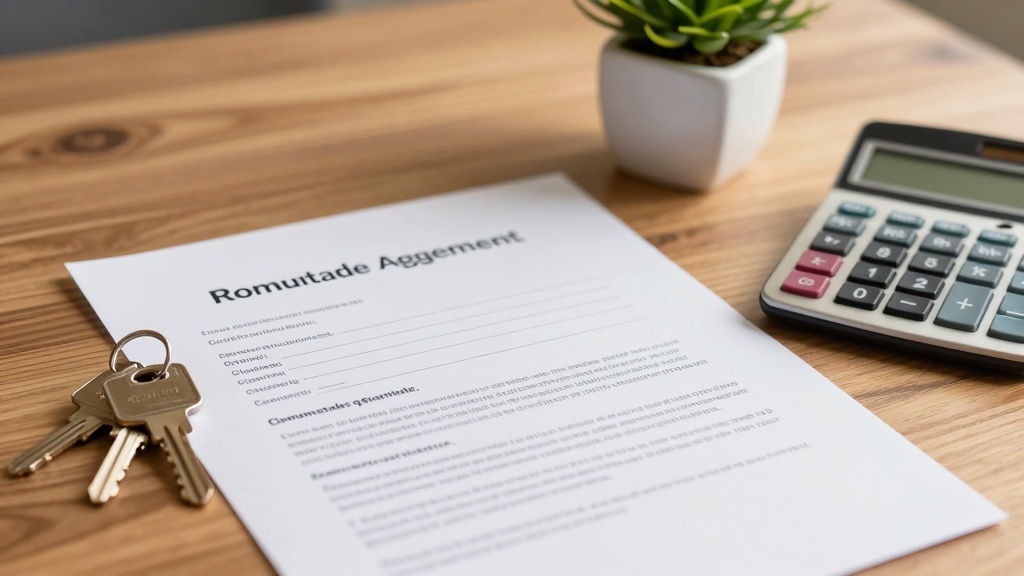
A roommate agreement is a written contract between cotenants who share a rental. It spells out how you'll split rent and utilities, who does what chores, and how you'll handle guests, noise, and disputes. It doesn't replace your lease with the landlord, but it helps prevent the kind of everyday friction that can turn friendly roommates into bitter exes. If you're about to move in with someone (or add a new roommate), this guide walks you through what to include and why it matters.
8–10 minutes

Is This Guide for You?
This guide is for you if any of these situations sound familiar:
- You're moving in with a friend or stranger and want to set clear expectations from day one.
- You're adding a new roommate to an existing lease and need to formalize the arrangement.
- You've had a bad roommate experience before and want to avoid repeating it.
- You're a college student or young professional sharing an apartment for the first time.
- You want to understand how rent splits, utilities, and chores work in a shared living situation.
Before You Start: What You'll Need
Before you sit down to draft or review a roommate agreement, make sure you have the following ready:
- Full legal names of all roommates (cotenants) and their contact information.
- Lease details — who signed the lease, the landlord's name, the lease end date, and total rent.
- Property address and bedroom assignments (who gets which room).
- Rent split — how much each person pays and who pays the landlord.
- Utility list — how you'll split electricity, gas, water, internet, etc.
- Your state's landlord-tenant laws — you can find yours through Nolo's state-by-state directory.
What Is a Roommate Agreement and Why Does It Matter?
A roommate agreement is a contract between cotenants who share a rental. Unlike the lease (which is between you and the landlord), the roommate agreement is between you and your roommates. It covers rent splits, chores, guests, noise, food, and dispute resolution. It doesn't bind the landlord, and the landlord can't enforce it — but it does bind you and your roommates to each other.
Why does it matter? Because sharing a home with someone else is almost guaranteed to create friction. Who pays for what? Who cleans the bathroom? Who gets the bigger bedroom? Without a written agreement, you're relying on memory and goodwill, and both can fade over time. A written roommate agreement makes everyone take their responsibilities more seriously and gives you something to point to when things get messy. According to Nolo's roommate agreements guide, financial promises (rent, utilities) in a roommate agreement are often enforceable in court, while non-financial terms (like chore schedules) are harder to enforce but still help set expectations.
Good to know: Your landlord is not bound by anything your roommate agreement says. If your roommate doesn't pay their share of rent, the landlord can still demand the full amount from you. You'd then need to pursue your roommate separately (often in small claims court) to recover what they owe. A written roommate agreement is your proof of that arrangement.
What Is Joint and Several Liability?
If you and your roommates all signed the same lease, you're cotenants. That means you're "jointly and severally liable" — legalese for "one for all and all for one." The landlord can demand the entire rent from any one of you. If your roommate flakes out, you pay. If your roommate throws a raucous party and the landlord gets a noise complaint, you can both get a termination notice. It's a tough reality, but it's how most leases work.
Nolo's guide to legal risks of sharing with roommates explains that you can't evict a cotenant yourself — only the landlord can do that. If your roommate becomes intolerable, you'll have to work it out between you or find another way to leave. A roommate agreement can't change your joint liability to the landlord, but it can clarify how you handle things internally and give you a written record if you ever need to sue for unpaid rent.
What Should a Roommate Agreement Include?
A good roommate agreement covers the topics that cause the most friction between roommates. Here's what to include and why it matters.
| Topic | What to Cover | Why It Matters |
|---|---|---|
| Rent | Total rent, each person's share, who pays the landlord, payment deadlines | Prevents "I thought you were paying" disputes |
| Utilities | How to split electricity, gas, water, internet, cable | Bills vary by season; agree on how to handle them |
| Security Deposit | Each person's contribution, when departing roommates get their share back | Deposit disputes are common when someone leaves early |
| Space | Bedroom assignments, bathroom use, common areas | Prevents arguments about who gets what |
| Chores | Cleaning schedule, dishes, trash, shared areas | Dirty dishes and unvacuumed floors are top sources of conflict |
| Food | Separate or shared groceries, kitchen storage | Food theft and "borrowing" are common complaints |
| Guests | Overnight rules, advance notice, party limits | Guests can overstay their welcome fast |
| Noise | Quiet hours, music, TV, parties | Respect for shared space keeps everyone sane |
| Moving Out | Notice required, replacement cotenant process | Someone leaving early can leave everyone else in a bind |
| Dispute Resolution | Mediation before court, how to handle disagreements | Mediation is cheaper and faster than court |
For a deeper look at the topics to discuss, Nolo's roommate agreements article includes a sample agreement and detailed guidance on each section.
Adding a New Roommate? Get Landlord Approval First
If you're adding a roommate to an existing lease, you need to get your landlord's approval first. Most landlords will insist that the new person become a cotenant — meaning they sign the lease or rental agreement and have the same rights and responsibilities as you. That protects the landlord (and you) if someone doesn't pay.
Nolo's guide to adding a roommate explains that adding a cotenant often means signing a new lease or rental agreement, and the landlord may increase rent or the security deposit. That's usually legal when you're starting a new tenancy. After you've gotten the landlord's approval and the new roommate has signed the lease, you can then sit down and draft a roommate agreement to formalize the internal arrangements between you.
Watch out: Don't let someone move in without landlord approval. If your roommate isn't on the lease and the landlord finds out, you could face a lease violation or eviction. The landlord has the right to know who's living in the rental.
How Do You Create a Roommate Agreement Step by Step?
Creating a roommate agreement doesn't have to be complicated. Here's how to do it.

- Talk it through first: Before you write anything, sit down with your roommates and discuss rent, utilities, chores, guests, and noise. Get everyone on the same page. You don't have to agree on everything, but you need to know where you stand.
- Use a template: Start with a professionally drafted template that covers all the standard sections. You can customize it to fit your situation rather than writing from scratch.
- Fill in the details: Enter everyone's names, the property address, bedroom assignments, rent split, utility split, and chore schedule. Be specific — vague rules are hard to enforce.
- Add dispute resolution: Include a clause that you'll try mediation before going to court. Many universities and community organizations offer free or low-cost mediation. Search for your city or county name and "mediation" to find options.
- Sign and date: Everyone should sign and date the agreement. Keep a copy for yourself. You don't need a lawyer or notary for a simple roommate agreement, but having it in writing is essential.
Quick tip: The whole process usually takes 30 to 60 minutes when you start from a good template. If you're doing it from scratch, it can take longer and you're more likely to miss something important.
If you need a roommate agreement, Documodo has a customizable template that covers rent split, utilities, chores, guests, security deposit, dispute resolution, and more. It's ready for you to personalize with your own terms.
Customize This TemplateWhat Should You Know After the Agreement Is Signed?
Signing the agreement is just the beginning. Once it's in place, everyone has ongoing responsibilities.
As a roommate, keep a copy of the signed agreement somewhere safe. Pay your share of rent and utilities on time. Follow the chore schedule and guest rules. If something feels wrong or unfair, talk to your roommates before it becomes a bigger problem. If a roommate refuses to pay their share, you may need to pay the landlord yourself to avoid eviction, then pursue your roommate in small claims court. A written roommate agreement is your proof of the arrangement — Nolo's guide to suing a roommate for unpaid rent explains how that works.
If you're adding a roommate later, take photos of the property's condition before they move in. That can help protect your share of the security deposit if there are disputes about damage when someone leaves.
Good to know: A lot of roommate disputes come down to poor communication, not bad intentions. Keeping things in writing (emails, text messages, even a quick follow-up note after a conversation) can prevent misunderstandings from turning into legal problems.
A Quick Story: Why the Details Matter
Two roommates we'll call Maya and Jordan moved in together. They verbally agreed to split rent 50/50 and take turns cleaning. Three months in, Jordan started paying late. Maya was covering the rent to avoid eviction. When she asked Jordan to pay her back, Jordan said they'd never agreed to a specific schedule. Without a written agreement, Maya had no proof of the arrangement. She eventually got a partial payment after months of awkward texts, but she learned the hard way: put it in writing.
If they'd had a roommate agreement from day one, the rent split and payment deadline would have been clear. Maya could have pointed to the document and, if needed, pursued Jordan in small claims court with solid evidence. Don't skip the details.
What Are the Most Common Mistakes People Make with Roommate Agreements?
These are the mistakes we see most often, and every single one of them is avoidable.

- Not putting it in writing: Verbal agreements are hard to prove. If someone doesn't pay or doesn't clean, you can't point to a document. Always write it down.
- Being vague about rent and utilities: "We'll split it" isn't enough. Specify exact amounts and deadlines. Who pays the landlord? When do roommates reimburse each other?
- Not discussing chores before moving in: Chores are a common source of conflict. Agree on a schedule and put it in the agreement. Don't assume everyone has the same standards.
- Leaving out dispute resolution: Include a mediation clause. If things go south, you'll have a path to resolve it without going straight to court.
- Adding a roommate without landlord approval: Letting someone move in without the landlord's knowledge can violate your lease and put everyone at risk.
- Forgetting about the security deposit: Specify how the deposit is split and what happens when someone leaves. Otherwise, you'll have a mess when the lease ends.
Frequently Asked Questions About Roommate Agreements
Is a roommate agreement legally binding?
Financial promises (rent, utilities) in a roommate agreement are often enforceable in court. Non-financial terms (like chore schedules) are harder to enforce but still help set expectations and can be useful if you ever need to mediate or argue your case. The key is having it in writing and signed by both parties.
What happens if my roommate doesn't pay their share of rent?
Under joint and several liability, the landlord can demand full rent from any cotenant. If your roommate doesn't pay, you may need to pay the landlord yourself to avoid eviction. You can then pursue your roommate in small claims court to recover what they owe. A written roommate agreement is your proof of the arrangement. See Nolo's guide to suing a roommate for unpaid rent for details.
Do I need landlord approval to add a roommate?
Yes. Most landlords require new roommates to become cotenants. That means the new person signs the lease or rental agreement and has the same rights and responsibilities as you. Adding a roommate without landlord approval can violate your lease. See Nolo's guide to adding a roommate for details.
Can I evict my roommate?
No. Only the landlord can evict. If you and your roommate are cotenants (both on the lease), you can't force each other out. If your roommate becomes intolerable, you'll have to work it out between you, try mediation, or find another way to leave.
What is joint and several liability?
Joint and several liability means that when you and your roommates sign the same lease, the landlord can demand the full rent from any one of you. If your roommate doesn't pay, you're on the hook. If your roommate causes damage or violates the lease, you can both face consequences. A roommate agreement clarifies internal arrangements but doesn't change your liability to the landlord.
Should we include a mediation clause?
Yes. A mediation clause says you'll try mediation before going to court. Mediation is usually cheaper and faster than litigation. Many universities and community organizations offer free or low-cost mediation. Search for your city or county name and "mediation" to find options. See Nolo's mediation overview for more.