How to Create a Property Lease Agreement That Protects Your Rental
A property lease agreement is the written contract that sets the rules for renting a home or business space, and it keeps both landlords and tenants safe from future arguments. If you skip this step or use a vague form, you could lose money or face legal trouble pretty quickly. The good news is that creating a solid lease just requires gathering the right details and following a clear structure. You can have the peace of mind that comes with knowing exactly what is expected from everyone involved.
9-11 minutes

Is This Guide for Your Specific Rental Situation?
- You are a landlord who needs to rent out a house, apartment, or commercial unit and wants to avoid payment disputes.
- You are a tenant looking to understand your rights before signing a document that binds you to a year or more of payments.
- You manage multiple properties and need a consistent way to handle security deposits and maintenance requests across different locations.
- You are renting a room in your primary residence and need to set clear boundaries about shared spaces and guest policies.
What Documents and Information Do You Need Before Starting?
- Full legal names of every adult who will live in the property, since missing a name can make enforcement difficult later.
- Complete property address including unit numbers, parking spot identifiers, and any storage areas included in the rental.
- Rent amount and due date details, plus the specific late fee policy you intend to enforce if payment is delayed.
- Security deposit total and the bank account information where these funds will be held to meet state requirements.
- Move-in date and the exact duration of the lease term, whether it is month-to-month or a fixed one-year period.
- State-specific disclosure forms such as lead paint warnings or mold notifications that local laws might require you to attach.
What Are the Essential Clauses Every Lease Must Include?
A valid lease needs specific sections like payment terms, duration details, and maintenance rules to be legally binding and clear for everyone. If you miss these core elements, the contract might not hold up in court or could lead to confusing arguments later on. Rest assured that covering these bases simply requires filling in the blanks with your specific situation.
| Clause Type | What It Covers | Why It Matters |
|---|---|---|
| Identification of Parties | Full legal names of the landlord and all adult tenants signing the document. | Ensures the right people are legally bound to the agreement and can be held responsible. |
| Property Description | Exact address, unit number, and any included amenities like parking spots or storage. | Prevents confusion about exactly which space is being rented and what comes with it. |
| Lease Term | Start date, end date, and whether it auto-renews or becomes month-to-month. | Defines how long the tenant can stay and when the landlord can expect the unit back. |
| Rent Payment Details | Total amount due, due date, accepted payment methods, and late fee policies. | Establishes clear financial expectations to avoid disputes over missed or late payments. |
| Security Deposit | Amount collected, conditions for return, and allowable deductions for damages. | Protects the landlord against damage while ensuring the tenant gets their money back fairly. |
| Maintenance Responsibilities | Who handles repairs, how to request them, and tenant duties for cleanliness. | Clarifies who fixes what so small issues do not turn into major legal disagreements. |
Good to know: Federal guidelines from HUD require leases to include grievance procedures and specific dwelling unit details to ensure fairness for all parties involved.
How Can You Avoid Common Mistakes When Drafting a Lease?
Many people think they can just download a generic form and sign it immediately, but that approach often ignores local laws that vary by state. If you use boilerplate language without customizing it, you might accidentally include illegal terms or miss required disclosures like lead paint warnings. The good news is that avoiding these traps is pretty easy if you know what to look for before you print.
- Using generic templates without checking local laws. State rules differ widely, so a form from another region might violate your specific jurisdiction's requirements.
- Writing vague payment or use clauses. Ambiguous language about rent due dates or pet policies leads to frequent misunderstandings and arguments.
- Listing incorrect party names. Missing an adult tenant's name on the document can make it impossible to enforce payment or eviction later.
- Forgetting mandatory disclosures. Failing to attach required forms for hazards like radon or mold can result in fines or legal liability.
- Not defining key terms clearly. Words like "damages" or "normal wear and tear" need specific definitions to prevent disputes during move-out.
Watch out: Common pitfalls include ignoring state-specific security deposit rules, such as Florida's requirement to notify tenants within 30 days about how funds are held.
If you want to ensure your document covers all necessary legal bases without spending hours researching statutes, Documodo can help you generate a compliant draft quickly. We provide templates that adapt to your location so you do not have to worry about missing a critical clause.
If you need a lease that fits your specific property and local laws, Documodo can help you create a customized agreement in minutes.
Customize This TemplateWhat Steps Should You Follow to Finalize the Agreement?
Once you have your draft ready, the process of getting it signed and executed is straightforward if you take it one step at a time. You do not need to rush this part, since taking a little extra time now saves a lot of headache down the road. Keep in mind that both parties should read every page carefully before putting pen to paper.
- Review the draft together: Sit down with the tenant or landlord and read through each clause to ensure everyone understands the terms completely.
- Attach required disclosures: Add any state-mandated forms like lead-based paint notifications or utility breakdown sheets to the main document.
- Sign and date correctly: Ensure every adult listed in the agreement signs and dates the document in the designated signature blocks.
- Collect the security deposit: Receive the funds and provide a written receipt that details where the money is being held per local laws.
- Distribute copies: Give a fully signed copy to the tenant and keep the original in a safe, accessible place for your records.
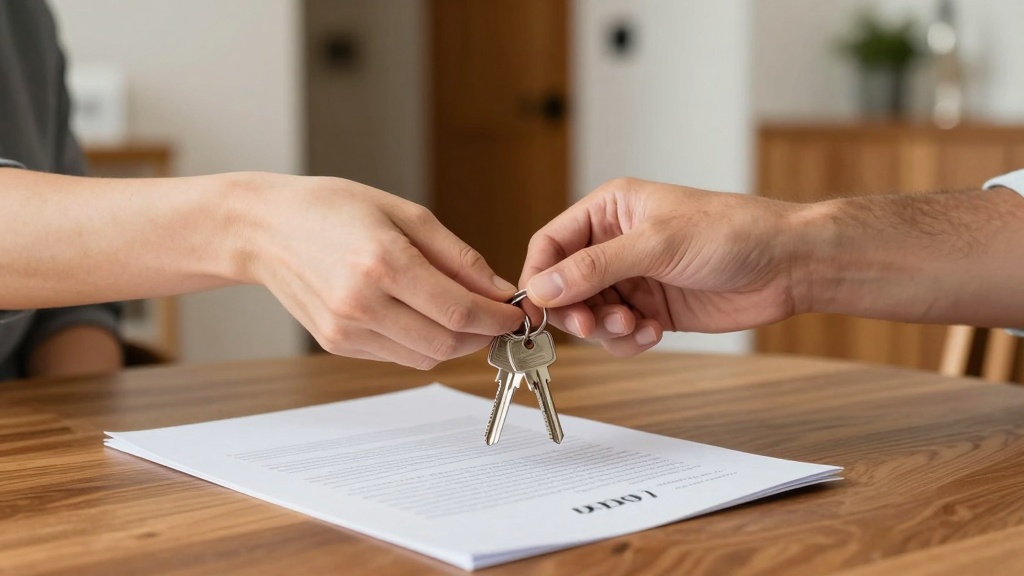
Quick tip: Always perform a move-in inspection with photos before handing over the keys so you have proof of the property's condition.
What Happens After Both Parties Sign the Agreement?
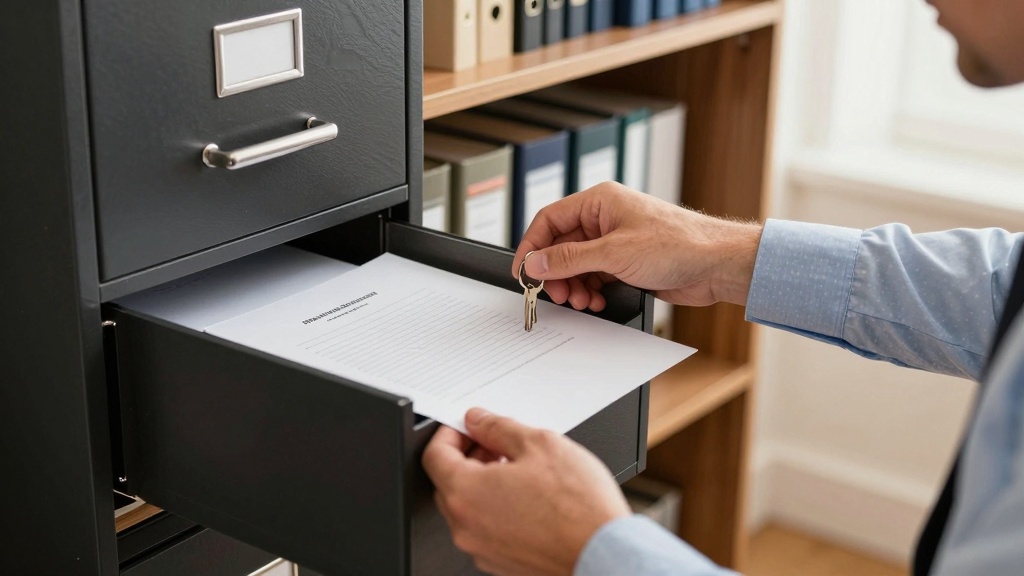
Once the signatures are dry, the real work of managing the rental relationship begins with clear communication and organized records. You should immediately provide a copy of the fully executed lease to every tenant so they have proof of their rights and obligations. Rest assured that keeping your own original in a secure, fire-proof location or digital vault ensures you can access it if questions arise later.
Good to know: It is standard practice to conduct a move-in inspection within the first few days to document the property condition before the tenant settles in.
If you followed the steps correctly, both you and the tenant now have a binding contract that protects your interests for the duration of the term. The good news is that most issues never happen when expectations are set clearly from day one. You can have the peace of mind that comes from knowing exactly what to do if a problem occurs.
What Are the Most Frequent Errors Landlords Make?
Even experienced property owners sometimes overlook small details that can cause big legal headaches down the road. If you rely on memory instead of written records, you might find yourself in a difficult position during a dispute. Keep in mind that avoiding these common slip-ups is pretty simple if you stay organized.
- Failing to get everything in writing. Verbal agreements about rent reductions or pet allowances are hard to prove and often lead to he-said-she-said arguments.
- Ignoring state-specific security deposit laws. Each state has strict rules on timelines and interest, and missing them can cost you double or triple the deposit amount.
- Using ambiguous language for repairs. Phrases like "reasonable time" for fixes can be interpreted differently by landlords and tenants, causing friction.
- Not updating the lease for new tenants. Reusing an old agreement without changing names or dates can invalidate the contract entirely.
- Overlooking required federal disclosures. Missing mandatory forms for lead-based paint or other hazards can result in significant fines from government agencies.
Watch out: Never accept a partial security deposit without documenting it, as this can complicate the return process and create liability issues later.
What Questions Do People Usually Ask About Leases?
You probably have a few lingering questions about how these agreements work in real life, and that is completely normal. We have gathered answers to the most common concerns so you do not have to search for them elsewhere.
Can I change the terms of the lease after it is signed?
No, you cannot unilaterally change the terms once both parties have signed the document. If you need to make changes, both the landlord and tenant must agree to sign a written amendment or addendum to the original contract.
What happens if a tenant stops paying rent?
If a tenant misses a payment, you must follow the specific eviction process outlined in your state laws, which usually starts with a formal notice to pay or quit. You cannot simply change the locks or remove their belongings without a court order, as that is considered an illegal self-help eviction.
Is a verbal lease agreement legally binding?
Verbal leases for less than one year are often enforceable under the Statute of Frauds, but they are extremely risky because there is no written proof of the terms. For any term longer than one year, most states require the agreement to be in writing to be valid in court.
Who is responsible for utilities in a rental property?
The lease agreement explicitly states who pays for water, electricity, gas, and trash services, so you must check your specific document. If the lease is silent on this issue, local laws usually default responsibility to the landlord, which is why clarity is so important.
Can I charge a fee for late rent payments?
Yes, you can charge late fees if they are clearly stated in the lease agreement and comply with state limits on the amount. Some states cap these fees at a specific dollar amount or a percentage of the monthly rent, so you should verify your local regulations first.
How do I handle a request for an emotional support animal?
Federal law requires landlords to make reasonable accommodations for tenants with disabilities, which includes allowing emotional support animals even if there is a no-pet policy. You can ask for documentation from a healthcare provider but cannot charge extra pet rent or deposits for these specific animals.
A property lease agreement is the written contract that sets the rules for renting a home or business space, and it keeps both landlords and tenants safe fro...
Related Documents
Apartment Lease
An apartment lease is a binding contract that sets the rules for your rental home, covering rent amounts, duration, and responsibilities for both you and the...
Apartment Lease Agreement
An apartment lease agreement is a binding contract that sets the rules for your rent, how long you stay, and who fixes what, so you don't have to guess later...
Business Lease Agreement
A business lease agreement is simply a contract that gives you the right to use commercial space for a set time, usually in exchange for monthly rent. If you...
California Lease Agreement
A California lease agreement is basically a written contract that sets the rules between you and your tenant, ensuring both sides understand their rights und...