What Is a Lease Addendum and How Does It Change Your Rental Agreement?
A lease addendum is simply a legal document that attaches to your existing rental agreement to change or add specific terms without rewriting the whole contract. If you need to adjust rent dates, add a pet policy, or include new roommates, this tool lets you do it legally and quickly. The good news is that you don't need to start from scratch, and with clear steps, you can have the peace of mind that your changes are binding.
9-11 minutes

Is This Guide Right for Your Rental Situation?
- You need to add a new tenant (like a spouse or roommate) to an active lease.
- Your property rules have changed (for example, allowing pets or banning smoking).
- You must comply with new laws (such as lead paint disclosures or security deposit notices).
- Rent payment dates need adjustment due to mutual agreement between landlord and tenant.
- You want to clarify vague terms in the original contract to avoid future disputes.
What Do You Need Before Drafting an Addendum?
- The original signed lease agreement to reference specific clauses and dates accurately.
- Clear details of the change including exact wording for new rules or modified terms.
- Contact information for all parties ensuring every original signer can review and sign the update.
- Knowledge of local state statutes (if you live in Florida or California, specific notice periods apply).
- A quiet space to review so you can read the fine print without rushing or distractions.
What Essential Clauses Must Be Included in Every Addendum?
Every valid lease addendum must include the original lease date, a clear description of the changes, an effective date for the new terms, and signature lines for all parties to ensure legal enforceability.
If you are drafting this document yourself, it is pretty important to get the basics right so that the changes actually stick. Basically, an addendum works by referencing the old contract while clearly stating what is different now. You can have the peace of mind that your agreement is solid if you include specific elements that link the two documents together legally.

| Clause Type | What It Covers | Why It Matters |
|---|---|---|
| Reference to Original Lease | States the date and parties of the initial rental agreement. | Links the new document to the old one so there is no confusion about which property or people are involved. |
| Description of Changes | Specifically lists the terms being added, removed, or modified. | Prevents ambiguity by ensuring everyone knows exactly what rules have changed (for example, a new pet fee). |
| Effective Date | The specific day the new terms begin to apply. | Clarifies when the tenant must start following the new rules or paying the adjusted rent amount. |
| Conflict Precedence | States that the addendum overrides the original lease where they differ. | Ensures the new terms take priority over any contradictory language in the first contract. |
| Signatures of All Parties | Spaces for every original landlord and tenant to sign and date. | Required for validity because a contract change usually needs consent from everyone who signed the first one. |
Good to know: If the original lease had multiple tenants, all of them generally need to sign the addendum for it to be fully enforceable against the group.
How Do Landlords Typically Handle Lease Modifications?
Landlords traditionally hire attorneys to draft custom amendments or use generic boilerplate forms found online, though these methods can be costly or miss critical state-specific legal requirements.
Once you decide to make a change, the conventional approach often involves calling a lawyer to write up the new language for you. This is certainly a safe way to do it, but it can cost a lot of money for what might be a simple update to your files. Rest assured that while professional legal advice is valuable, many landlords manage this process using standard templates if they are careful.
Keep in mind that using a random form from the internet without checking your local laws can lead to some pretty serious issues down the road. For instance, a generic clause might violate specific statutes in states like California or Florida regarding security deposits or notice periods. It happens to a lot of people who just want to save time, but fixing an invalid clause later is much harder than getting it right initially.
Watch out: Boilerplate forms often lack the specific disclosures required by HUD or state agencies, such as lead paint notices or mold warnings, which can invalidate the entire addition.
How Can You Create a Valid Addendum in Simple Steps?
You can create a binding addendum by identifying the specific change needed, drafting clear text that references the original lease, reviewing it with all parties, obtaining signatures, and attaching it to the master file.
If you want to handle this yourself, the process is actually pretty straightforward if you take it one step at a time. Don't worry about making it perfect on the first try, as long as you cover the essential information clearly. We have broken this down into a simple list so you can feel confident about your progress.
- Identify the specific need: Write down exactly what term needs to change, such as adding a roommate or adjusting the rent due date, so you have a clear goal before starting.
- Draft the document text: Type out the new clauses using clear language that explicitly states it modifies the original lease dated [Insert Date].
- Review with all parties: Send the draft to every tenant and landlord listed on the original agreement to ensure everyone understands and agrees to the new terms.
- Sign and date formally: Meet in person or use a secure digital method to get wet signatures from everyone, making sure to include the current date next to each name.
- Attach to the original lease: Staple or paperclip the signed addendum directly to the front of the original rental contract so they stay together in your records.
Quick tip: If you are mailing the document for signatures, send it via certified mail so you have proof that the tenant received the proposed changes.

If You Need a Reliable Template, Can Documodo Help?
Documodo offers customizable, state-compliant lease addendum templates that allow you to generate legally sound documents instantly without needing to draft complex language from scratch.
If you find the drafting process a bit overwhelming or just want to ensure you haven't missed any legal bases, Documodo can help you create a professional document quickly. Our tools are designed to guide you through the necessary fields so you don't have to guess what to include. You can simply fill in your specific details and download a ready-to-sign file.
If you need a customized template that fits your specific situation, Documodo can help you generate a compliant document in minutes.
Customize This TemplateWhat Happens After Everyone Signs the Document?
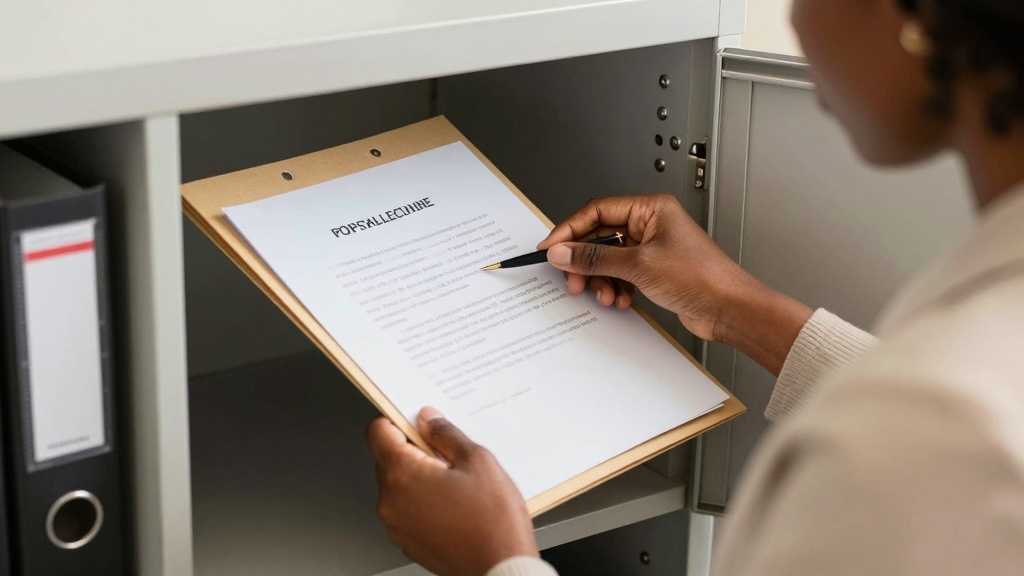
Once signed, you must distribute copies to all parties, store the addendum with the original lease, and update any property management records to ensure the new terms are active and accessible.
After the ink is dry, the process is basically just about organization and communication. You should give a copy to every tenant who signed it, and keep one for your own files right next to the main contract. Rest assured that keeping these documents together prevents confusion later if anyone questions the rules.
If you use a digital system, upload the scanned file immediately so your records are current. It is pretty common for landlords to forget this step, but having everything in one place gives you peace of mind during inspections or disputes. Just make sure the date on the addendum matches when you actually started enforcing the new rule.
What Common Mistakes Should You Avoid When Adding Terms?
Common errors include failing to get signatures from all original tenants, using vague language that creates ambiguity, ignoring statutory notice periods, or creating terms that conflict with the master lease.
Even though this seems simple, a lot of people trip up on small details that can make the whole document invalid. Don't worry, these are easy to avoid if you know what to look for before you sign. We see these issues happen frequently, so checking your work twice saves you a lot of trouble.
- Missing signatures from original tenants. If the first lease had two roommates and only one signs the addendum, the change might not apply to the other person legally.
- Using vague or ambiguous language. Phrases like "reasonable noise" are hard to enforce, so you should specify exact quiet hours or decibel limits instead.
- Ignoring state-specific notice periods. Some states require 30 or 60 days notice before changing rent or rules, and skipping this wait time can void the change.
- Creating conflicting terms with the main lease. If the addendum says one thing and the original lease says another without stating which wins, it creates a legal mess.
- Failing to date the document correctly. Without a clear effective date, tenants can argue they didn't know when the new rules started applying to them.
Watch out: Never try to change a fixed-term lease in the middle of the period without tenant consent, as this can be considered a breach of contract unless the original lease allows it.
What Questions Do Renters and Landlords Ask Most Often?
Frequently asked questions cover whether oral agreements count, if changes can be retroactive, how security deposits are handled, and if an addendum can override original lease terms.
You probably have a few specific questions about how this works in real life, and that is completely normal. We have answered the most common ones below so you don't have to guess or search elsewhere. Keep in mind that laws vary by location, so these are general guidelines for most situations.
Can a lease addendum be verbal or does it need to be written?
It almost always needs to be written to be enforceable under the Statute of Frauds, which requires lease modifications to be documented. Verbal agreements are very hard to prove in court if a dispute arises later, so you should just put it on paper.
Can I make changes retroactive to a past date?
Generally, no, because you cannot legally enforce rules or charges for a time period that has already passed without mutual agreement. If both parties agree to backdate it, you can, but it is safer to set the effective date for the future to avoid confusion.
Does an addendum override the original lease if they conflict?
Yes, if the addendum includes a clause stating that its terms take precedence over the original lease in case of conflict. This is why the Conflict Precedence clause we mentioned earlier is so important for clarity.
Do I need to adjust the security deposit when adding a roommate?
Often yes, because more occupants can mean more wear and tear, but you must follow state limits on maximum deposit amounts. Check your local laws, like those in California or Florida, to ensure you don't charge more than allowed.
What happens if a tenant refuses to sign the addendum?
If they refuse, the terms generally cannot be enforced until the current lease expires and a new one is signed. You cannot force a tenant to accept new terms during a fixed-term lease unless the original contract specifically allows for unilateral changes.
A lease addendum is simply a legal document that attaches to your existing rental agreement to change or add specific terms without rewriting the whole contr...
Related Documents
Apartment Lease
An apartment lease is a binding contract that sets the rules for your rental home, covering rent amounts, duration, and responsibilities for both you and the...
Apartment Lease Agreement
An apartment lease agreement is a binding contract that sets the rules for your rent, how long you stay, and who fixes what, so you don't have to guess later...
Business Lease Agreement
A business lease agreement is simply a contract that gives you the right to use commercial space for a set time, usually in exchange for monthly rent. If you...
California Lease Agreement
A California lease agreement is basically a written contract that sets the rules between you and your tenant, ensuring both sides understand their rights und...