How to Write a Valid Texas Eviction Notice for Nonpayment or Lease Violations
If your tenant stops paying rent or breaks the lease, you need a valid written notice to start the legal process. Texas law requires specific steps and timelines, but don't worry, we will guide you through the basics of getting it right. You can have the peace of mind that following these rules protects your property rights while keeping things fair.
9-11 minutes

Is This Guide for You and Your Specific Situation?
- You are a landlord dealing with unpaid rent. If your tenant has missed a payment deadline, you likely need to issue a formal demand before filing suit.
- Your tenant is holding over after the lease ended. Once the lease term expires, if they refuse to leave, this guide helps you restart the clock legally.
- You need to address a serious lease violation. Whether it is unauthorized pets or noise complaints, specific notices apply to breaches other than money owed.
- You want to avoid costly legal mistakes. If you skip a step or use the wrong form, the court could dismiss your case, so this info is pretty important.
What Do You Need Before Writing Your Notice?
- A signed copy of the lease agreement. You must check what your specific contract says about notice periods, as it might differ from state defaults.
- Proof of payment history or violations. Keep records of missed payments or photos of damage, since you will need these if the case goes to court.
- The tenant's full legal name and address. Ensure you have the exact spelling and unit number to avoid confusion during delivery.
- A calendar to track deadlines accurately. You need to count days carefully because the notice period starts the day after delivery, not the day you write it.
What Is a Texas Eviction Notice and How Does It Work?
A Texas eviction notice is a written demand that tells a tenant to leave the property or fix a problem within a set time. Under Texas Property Code Chapter 24, you generally must give at least three days' notice for nonpayment or holding over, unless your lease says otherwise. If you follow these rules, you can move forward with filing a lawsuit if they do not comply.
Good to know: While three days is the standard default, your specific lease agreement might require a longer notice period, so always check your contract first (if you have one).
The notice serves as the official start of the legal process, meaning you cannot just change the locks yourself. Rest assured, this document protects your rights by creating a clear record of the demand before you ever step foot in a courtroom. It basically tells the tenant that their right to occupy the home is ending due to a specific breach.

Why Must You Follow Strict Texas Notice Rules?
Texas law distinguishes between different types of breaches, and using the wrong notice can cause a judge to dismiss your case immediately. For nonpayment of rent, you typically use a notice to vacate, but recent legislative changes introduce specific requirements for first-time versus repeat offenders. You can have the peace of mind that understanding these distinctions prevents unnecessary delays in reclaiming your property.
If you try to evict for a lease violation other than money, like having an unauthorized pet, the rules might differ slightly regarding the chance to cure the breach. Keep in mind that some federally assisted housing programs require a 30-day notice instead of the standard three days. Don't worry, we will break down the main types below so you know exactly which one fits your situation.
| Type of Notice | What It Covers | Why It Matters |
|---|---|---|
| Notice to Vacate for Nonpayment | Used when tenant fails to pay rent on time. | This is the most common form and triggers the three-day clock for payment or departure. |
| Notice to Vacate for Lease Violation | Used for breaches like noise, pets, or unauthorized occupants. | Some leases allow tenants to fix the issue, while others demand immediate departure depending on the severity. |
| Notice to Vacate for Holding Over | Used when the lease term ends and the tenant refuses to leave. | This establishes that the tenancy has legally terminated and any further stay is unauthorized. |
| Federally Required Notice | Applies to Section 8 or other subsidized housing tenants. | Ignoring this requirement leads to automatic dismissal since federal law overrides state defaults here. |
Watch out: Never attempt a "self-help" eviction by shutting off utilities or changing locks, as this is illegal in Texas and can result in you paying damages to the tenant.
How Do You Properly Deliver an Eviction Notice in Texas?
Even if your notice content is perfect, it is not valid unless you deliver it according to strict state guidelines. The law allows for personal delivery, posting it on the inside of the main entry door, or sending it via mail. If you get this part wrong, the tenant's lawyer can argue they never received it, which basically resets your entire timeline.
- Hand deliver the notice personally. This is the most direct method where you give the paper directly to the tenant or any adult living at the residence.
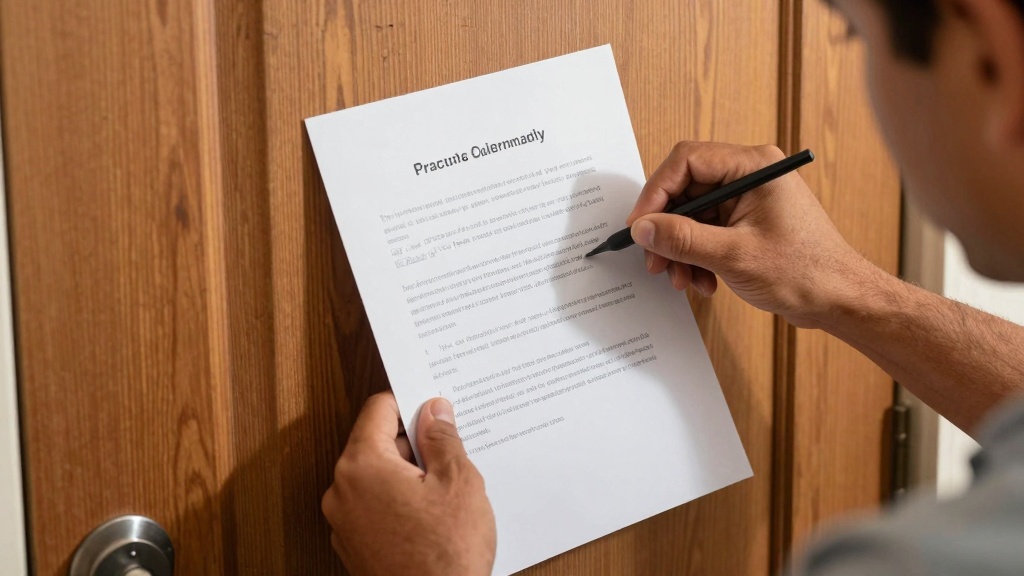
- Post the notice on the door if no one is home. Simply tape the notice securely to the inside of the main entry door so it is clearly visible upon entry.
- Send a copy via regular mail as backup. Mailing the notice provides an additional layer of proof that you attempted to inform the tenant officially.
- Document the delivery method and time. Write down exactly when and how you delivered the notice, including photos of the posted document if applicable.
You should keep a copy of the notice and your delivery notes for your own records in case you need them later. The good news is that you do not need a sheriff or process server to do this initial step, you can do it yourself. Just make sure you wait the full required number of days after delivery before filing your lawsuit in justice court.
Can You Customize Your Notice to Fit Your Needs?
While there are standard forms available, every situation is pretty unique and might require specific details to be legally sound. You can include the exact amount of rent owed, the specific dates of the violation, or references to particular lease clauses. If you are unsure about what to include, Documodo can help you generate a notice that covers all the necessary bases without the guesswork.
If you want to ensure your notice meets all Texas legal requirements, Documodo can help you create a customized document quickly.
Customize This TemplateAdding specific facts makes your case stronger if it goes to court because it shows you are acting in good faith. For example, listing the exact late fees accrued helps avoid confusion about the total amount needed to reinstate the lease. Don't worry about getting the wording perfect on the first try, as long as the core message of vacating is clear and unconditional.

What Happens After You Send the Notice?
Once you have delivered the notice and waited out the required time period, the next steps depend entirely on whether the tenant leaves or stays. If they move out, you can change the locks and begin preparing the unit for a new resident without further legal action. However, if they remain on the property past the deadline, you must file a forcible detainer suit in your local justice court to get a judge's order.
Good to know: The waiting period usually starts the day after you deliver the notice, so count your days carefully to avoid filing too early (which could get your case dismissed).
Filing the suit involves paying a fee and submitting a petition that explains why you want the tenant removed. Rest assured, the court will schedule a hearing quickly, often within a few weeks, where both sides can present their evidence. You can have the peace of mind that having your delivery records and lease copies ready will make this process much smoother for you.
What Common Mistakes Should You Avoid?
Many landlords lose their cases simply because they made small errors that could have been easily prevented with careful attention. We see these issues happen a lot, and avoiding them saves you time and money in the long run. Just stick to the rules and double-check your work before taking any action.
- Changing the locks before a court order. This is illegal self-help eviction in Texas and can lead to you owing significant damages to the tenant.
- Miscalculating the notice period. If you file your lawsuit one day too soon, the judge will likely throw out your case and you will have to start over.
- Using vague language in the notice. Failing to specify the exact amount owed or the specific lease violation gives the tenant grounds to argue the notice was defective.
- Ignoring federal housing requirements. If your property receives government subsidies, standard state notices might not be enough and could violate federal law.
- Retaliating against the tenant. Trying to evict someone because they complained about repairs is illegal and will almost certainly result in a dismissal.
What Questions Do Landlords Ask Most Often?
It is normal to have concerns about the process, especially since eviction laws can feel pretty complicated at first glance. We have answered some of the most common questions below to help clear up any confusion you might have.
Can I evict a tenant without a written lease in Texas?
Yes, you can still evict a tenant even if you do not have a written lease agreement. In this situation, the tenancy is considered month-to-month, and you generally must provide a 30-day written notice to vacate unless there is nonpayment of rent, which usually requires a three-day notice.
Do verbal warnings count as an official eviction notice?
No, verbal warnings do not count as a valid legal notice for eviction purposes in Texas. The law specifically requires a written document that is delivered according to strict guidelines to start the formal process.
What happens to the security deposit if I evict the tenant?
You must still follow the standard rules for returning security deposits, which means providing an itemized list of deductions within 30 days after the tenant surrenders the property. You can deduct unpaid rent or damages beyond normal wear and tear, but you cannot keep the deposit as punishment for the eviction itself.
Can I charge late fees while the eviction process is ongoing?
Yes, you can continue to charge late fees if your lease agreement allows for them and if they are reasonable under Texas law. However, make sure these fees are clearly stated in your original lease to avoid disputes during the court hearing.
How long does the entire eviction process take in Texas?
The timeline varies, but typically it takes anywhere from three to six weeks from the moment you serve the notice until the tenant is physically removed by a constable. Delays can occur if the tenant requests a jury trial or appeals the decision, which extends the process significantly.