How to Write a Sample Eviction Notice That Holds Up in Court
If you are dealing with a tenant who isn't paying rent or is breaking the rules, you probably need a formal written notice to start the legal process. Without this specific document, courts will likely dismiss your case before you even get a chance to explain your side. The good news is that creating a valid notice is pretty straightforward if you follow the right steps and include the necessary details.
9-11 minutes

Is This Guide Right for Your Specific Situation?
- You need to formally tell a tenant to leave because they haven't paid rent on time.
- Your tenant is violating specific terms of the lease agreement, like having unauthorized pets or guests.
- You want to end a month-to-month tenancy without needing a specific reason allowed by your local laws.
- You are worried about making a mistake that could delay the eviction process or cause legal trouble.
- You need a clear, written record of your communication to protect yourself in potential court proceedings.
What Documents and Information Do You Need Before Starting?
- A copy of the signed lease agreement or rental contract to verify the terms and conditions.
- Accurate records of missed payments, late fees, or specific dates when lease violations occurred.
- The full legal names of all adult tenants listed on the lease agreement.
- The complete physical address of the rental property, including unit numbers if applicable.
- Knowledge of your specific state and local laws regarding required notice periods and delivery methods.
What Are the Different Types of Eviction Notices Available?
The type of notice you need depends entirely on why you are asking the tenant to leave, as using the wrong one can invalidate your entire case. Rest assured that once you identify the specific reason for the eviction, selecting the correct form becomes much simpler. Most states recognize three primary categories, each designed for a different situation involving rent or lease violations.
| Type of Notice | What It Covers | Why It Matters |
|---|---|---|
| Pay or Quit Notice | Gives the tenant a set number of days to pay overdue rent or move out. | This is the standard first step for non-payment cases and often has the shortest legal timeframe. |
| Cure or Quit Notice | Allows the tenant to fix a specific lease violation, such as noise complaints or unauthorized pets. | If the tenant corrects the issue within the deadline, the eviction process stops immediately. |
| Unconditional Quit Notice | Orders the tenant to vacate the property without any option to pay or fix the problem. | This is usually reserved for severe repeated violations or illegal activities and is harder to enforce legally. |
Good to know: Some states allow for a "Notice of Termination" for month-to-month tenants where no specific cause is needed, provided you give enough advance warning like 30 or 60 days.

What Essential Elements Must Be Included in the Notice?
To ensure your document holds up in court, you must include specific details that clearly identify the parties and the reason for the action. If you miss even one of these key items, a judge might dismiss your case, so it is important to be thorough. You can have the peace of mind that comes from knowing your paperwork is solid by double-checking this list before you print.
- Missing Tenant Names. Failing to list every adult tenant listed on the lease can prevent enforcement against those not named.
- Vague Reasons. Writing "breach of lease" without specifying the exact date and nature of the violation creates ambiguity.
- Incorrect Dates. Miscalculating the deadline for payment or moving out based on local laws invalidates the timeline.
- No Landlord Signature. An unsigned notice is often considered unofficial and may be ignored by the tenant or court.
Basically, the document needs to state exactly what went wrong and what the tenant must do to resolve it or leave. Keep in mind that clarity is your best friend here, as confusing language helps no one. (for example, if the issue is late rent, list the exact dollar amount and the months covered).
How Do You Properly Serve the Notice to the Tenant?
Writing the notice is only half the battle because you must also prove that the tenant actually received it. The good news is that most states allow a few standard methods for delivery, making it pretty easy to comply with the law. However, you should always check your local rules since some areas have very specific requirements about how this step is handled.
- Personal Delivery: Hand the notice directly to the tenant or another adult living at the property to ensure immediate receipt.
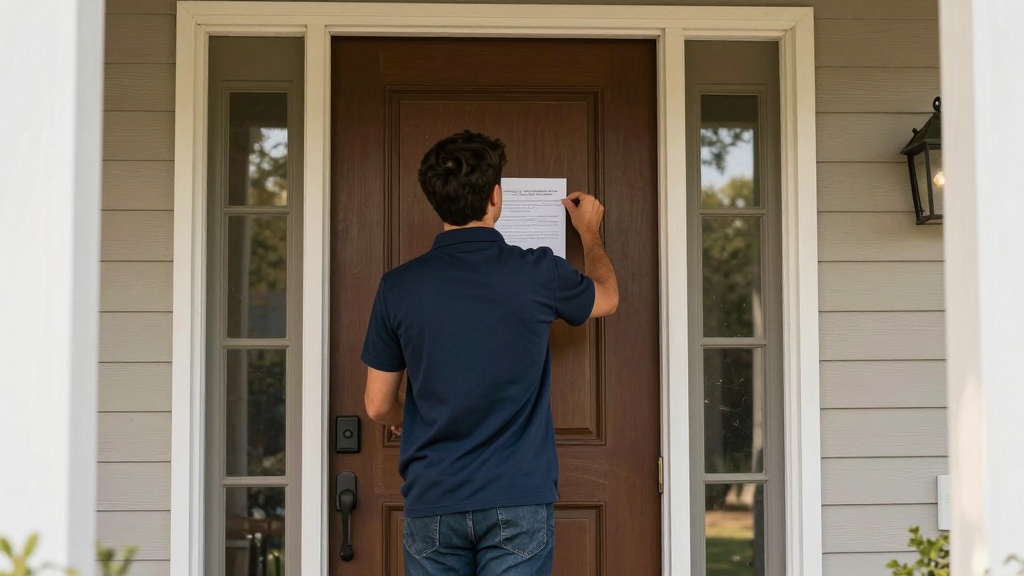
- Posting and Mailing: Tape the notice securely to the front door and send a copy via certified mail with a return receipt requested.
- Substitute Service: If no one is home, leave the notice with a suitable person of age at the residence and mail a copy to the tenant.
Watch out: Never throw the notice in the trash or slide it under the mat without following proper mailing procedures, as this often fails to meet legal standards for proof of service.
Once you have delivered the notice, keep a copy for yourself along with any proof of mailing or photos of the posted document. This documentation is pretty critical if you end up needing to file a lawsuit later on. (if you use certified mail, save the green card that comes back signed by the recipient).
Can You Customize a Template to Fit Your Needs?
Using a pre-made sample can save you a lot of time and reduce the stress of drafting legal documents from scratch. If you want to ensure your notice includes all the necessary legal language without the hassle, Documodo can help you customize a template to match your specific situation. We provide tools that guide you through the process so you feel confident in what you produce.
If you need a legally sound draft quickly, our platform allows you to generate a professional notice in minutes.
Customize This TemplateWhat Happens After You Deliver the Eviction Notice?
Once you have served the notice, the waiting period begins, and this is often the most stressful part for landlords. If the tenant pays the rent or fixes the violation within the allowed time, the process stops right there, which is actually a good outcome for everyone involved. However, if they do nothing by the deadline, you can proceed to file an unlawful detainer lawsuit with your local court to regain possession.
You can have the peace of mind that comes from knowing exactly what to expect next if you prepare your evidence now. Keep in mind that you will need copies of the lease, the notice you served, and proof of delivery when you go to court. (for example, bring the certified mail receipt or photos of the notice on the door).
Good to know: In many jurisdictions, you cannot change the locks or shut off utilities yourself while waiting for the court order, as this is considered a "self-help" eviction and is illegal.
What Common Mistakes Should You Avoid When Drafting?
Even small errors in your paperwork can cause a judge to throw out your case, forcing you to start the entire process over again. Don't worry though, because most of these pitfalls are easy to avoid if you just pay attention to the details. We see landlords make these same errors pretty often, so reviewing this list before you finalize your document is a smart move.
- Using the Wrong Notice Period. Giving 3 days when the law requires 5 or 10 days invalidates the notice immediately.
- Failing to Sign the Document. An unsigned notice looks unofficial and may be disregarded by the tenant or the court.
- Serving the Notice Incorrectly. Sliding it under the door without mailing a copy often fails to meet strict state service requirements.
- Being Too Vague About the Violation. Saying "you broke the rules" instead of specifying "unauthorized pet on property" creates legal ambiguity.
- Ignoring Local Rent Control Laws. Attempting to evict without "just cause" in protected cities can lead to significant fines and dismissed cases.

Frequently Asked Questions About Eviction Notices
Can I send the eviction notice via email or text message?
In most states, email or text is not sufficient on its own for a formal eviction notice unless your lease specifically allows it and local laws permit it. You should always use personal delivery or certified mail to ensure you have legal proof that the tenant received the document. Relying solely on digital communication might cause your case to be dismissed later.
What do I do if the tenant refuses to accept the notice?
If the tenant refuses to take the paper from your hand, you can usually tape it to the front door in a visible spot and then mail a copy via certified mail. This method is often called "posting and mailing" and is accepted by courts as valid service in many areas. Just make sure to document the date and time you posted it for your records.
Is an eviction notice the same as filing a lawsuit?
No, the notice is just the first step that tells the tenant they must leave or fix the problem, while filing a lawsuit happens only if they ignore the notice. You cannot file the unlawful detainer case until the time period in your notice has fully expired. Think of the notice as a warning required by law before you can ask the court for help.
Can I evict a tenant for complaining about repairs?
No, retaliatory eviction is illegal in almost every state, meaning you cannot kick someone out just because they asked for maintenance or reported code violations. If you try to evict shortly after a complaint, the court will likely assume it is retaliation and rule in favor of the tenant. Always ensure your reason for eviction is documented and unrelated to their requests for repairs.
How long does the tenant have to move out after the notice?
The timeframe depends entirely on your state laws and the type of notice you served, ranging from as little as 3 days for non-payment to 30 or 60 days for ending a month-to-month lease. You must calculate these days carefully, excluding weekends or holidays if your local rules require it. Check your specific state guidelines to get the exact number of days you must wait.
If you are unsure about the specific laws in your area, Documodo can help you generate a notice that aligns with general standards while you verify local rules.
Customize This TemplateIf you are dealing with a tenant who isn't paying rent or is breaking the rules, you probably need a formal written notice to start the legal process. Withou...
Related Documents
10 Day Eviction Notice
A 10 day eviction notice is a formal written demand giving a tenant ten days to fix a lease violation or leave the property. If you issue this document corre...
30 Day Eviction Notice
A 30 day eviction notice is a written demand that ends a month-to-month tenancy or addresses specific lease violations without immediately removing the tenan...
30 Day Notice Letter
A 30 day notice letter is simply a written message telling your landlord you plan to move out or change your lease terms. It is not an eviction order, but it...
30 Day Notice Rental
A 30 day notice rental letter is the standard written document used to end a month-to-month tenancy or change lease terms like rent increases. If you serve t...