How to Write a Valid Notice to Vacate in New Jersey for Landlords
If you need to end a tenancy in New Jersey, you are likely looking for a "notice to vacate," but the state legally calls this a "notice to quit." Don't worry if the terminology feels confusing at first, because the process is pretty straightforward once you know which form fits your situation. You can have the peace of mind that following the correct statutory steps protects your rights and helps avoid delays in court. Basically, you must serve the right written notice with the specific timeline required by the Anti-Eviction Act before filing any eviction complaint.
9-11 minutes

Is This Guide Right for Your Specific Rental Situation?
- You own a residential rental property and need to terminate a month-to-month or yearly lease agreement.
- Your tenant has violated the lease terms, such as causing disturbances or damaging the unit, requiring a formal warning.
- You want to regain possession of the unit after a lease expiration without automatic renewal.
- You are unsure about the difference between a notice to cease and a notice to quit under New Jersey law.
What Do You Need Before Writing a Notice to Vacate?
- A copy of the original lease to verify the tenancy type and any specific clauses regarding termination.
- Proof of security deposit handling including the bank information notice sent within 30 days of move-in.
- Exact dates for calculation to ensure you provide the full statutory notice period required by law.
- Documentation of any lease violations if you are terminating the tenancy for cause rather than non-payment.
Why Does New Jersey Require Different Notices for Different Reasons?
New Jersey law distinguishes between a "notice to cease" (a warning to stop bad behavior) and a "notice to quit" (an order to leave). Most lease violations require both notices, while non-payment of rent usually requires only a notice to quit or no notice at all depending on the lease terms.
If you are dealing with a tenant issue, it helps to know that the state treats non-payment of rent differently from other lease breaches. You can have the peace of mind that understanding this distinction prevents you from filing the wrong paperwork too early. Basically, the Anti-Eviction Act protects tenants by requiring landlords to give them a chance to fix most problems before losing their home.
For example, if a tenant has a pet when the lease says "no pets," you generally must serve a notice to cease first. This document tells them to remove the pet or face eviction. If they do not comply after a reasonable time, then you serve the notice to quit to end the tenancy. Keep in mind that for serious issues like disorderly conduct or willful destruction of property, you might skip the notice to cease and go straight to a three-day notice to quit.
Good to know: Non-payment of rent is unique because you often do not need a notice to cease. You can typically proceed directly to a notice to quit or file for eviction immediately if your lease allows it, though giving a formal demand for payment is still common practice.

How Long Must You Wait Before Filing for Eviction?
The waiting period depends on the reason for eviction. Month-to-month tenancies require one full calendar month's notice. Most lease violations require a 30-day notice to quit after a notice to cease. Serious offenses like drug activity or assault allow for a three-day notice to quit.
Once you decide to move forward, timing becomes pretty critical for your case. Don't worry if the calendar math feels tricky at first, because the rule is basically about giving the tenant a full rental period or specific statutory days. If you file your complaint in court before the notice period expires, the judge will likely dismiss your case, and you will have to start over.
For month-to-month tenants who have done nothing wrong but whose lease you simply want to end, you must give at least one full calendar month's notice. This means if you serve the notice on January 15th, the termination date cannot be until March 1st. Rest assured that this extra time gives the tenant a fair chance to find new housing without rushing.
In cases involving lease violations like unauthorized occupants or repeated late payments, the standard wait is 30 days from the notice to quit. However, if the tenant poses a danger to others or damages the property significantly, the law allows for a much shorter three-day window. Just remember that these timelines are strict, and counting weekends or holidays incorrectly could invalidate your entire effort.
What Are the Essential Parts of a Valid Notice to Quit?
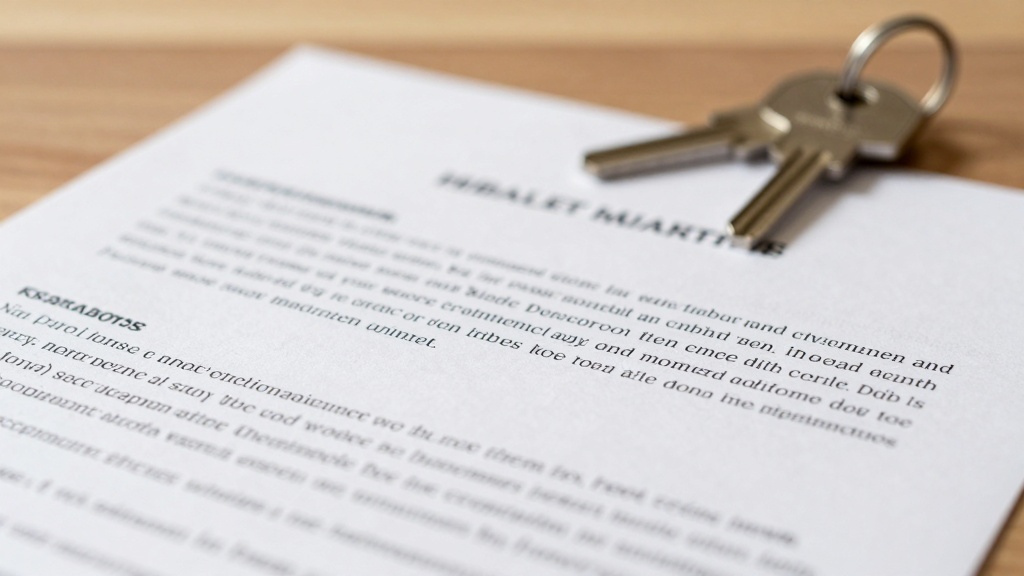
A valid notice to quit must include the tenant's name, the property address, the specific statutory reason for termination, and the exact date the tenancy ends. It must be in writing and clearly state that the tenant must vacate the premises by the termination date.
You can have the peace of mind that including every required element makes your notice legally sound. If you miss even one detail, like the specific statute number or the correct termination date, the court might reject your filing. Basically, think of this document as a formal declaration that leaves no room for confusion about why the tenancy is ending.
| Essential Element | What It Covers | Why It Matters |
|---|---|---|
| Tenant Names | Lists every adult living in the unit who signed the lease. | Courts require all parties to be named so everyone receives proper legal notice. |
| Property Address | The full street address, including unit number and city. | Ensures there is no ambiguity about which rental unit is being terminated. |
| Statutory Reason | The specific ground from N.J.S.A. 2A:18-61.1 justifying the eviction. | New Jersey is a "just cause" state, so you must cite a valid legal reason. |
| Termination Date | The specific day the tenant must move out by. | This date determines when you can legally file an eviction complaint in court. |
| Signature and Date | Your signature as the landlord and the date you created the notice. | Verifies the document is authentic and establishes the start of the notice period. |
Watch out: Using vague language like "you broke the lease" is not enough. You must specify the exact violation, such as "keeping a dog in violation of clause 4," to satisfy court requirements.
How Do You Properly Deliver the Notice to Your Tenant?
New Jersey courts accept three main methods of service: personal delivery to the tenant, certified mail with return receipt requested, or posting the notice on the door plus mailing a copy. Personal delivery is the most direct method, while certified mail provides proof of receipt.
If you are nervous about handing the paper to the tenant personally, don't worry because you have other options that are just as valid. The good news is that the law allows for flexibility so you can choose the method that feels safest for you. Simply ensuring you have proof of delivery is the most important part of this step.
- Hand Delivery: Give the notice directly to the tenant or any person of suitable age residing in the unit. This is immediate and ensures they receive it right away.
- Certified Mail: Send the notice via certified mail with a return receipt requested. Keep the green card when it comes back signed as your proof of service.
- Posting and Mailing: If you cannot reach the tenant, tape the notice to the front door and send another copy via regular mail. This covers situations where the tenant is avoiding contact.
Quick tip: Take a photo of the notice taped to the door with your phone showing the date and time. This creates a digital timestamp that can help if the tenant claims they never saw it.
Keep in mind that how you serve the notice can affect how quickly you can file for eviction. If you use regular mail without certification, proving they got it might become a hassle later. Rest assured that using certified mail or personal delivery creates a clear paper trail that judges appreciate.
If you need a legally sound document fast, Documodo can help you generate a compliant notice in minutes.
Customize This TemplateWhat Happens After the Notice Period Expires?
If the tenant does not leave by the termination date, you must file a complaint for possession in the Special Civil Part of the Superior Court. You cannot change locks or remove belongings yourself, as self-help evictions are illegal in New Jersey.
Once the deadline passes and the tenant is still there, don't worry because the legal system has a specific path for you to follow. The good news is that filing a complaint is a standard procedure that many landlords handle regularly. Basically, you just need to submit your paperwork to the court clerk and pay the filing fee to get a hearing date.
You can have the peace of mind that the judge will review your proof of service and the validity of your notice during the hearing. If the court rules in your favor, they will issue a judgment for possession. Keep in mind that only a court officer, not you, can physically remove the tenant if they still refuse to leave after the judgment.

Which Mistakes Could Invalidate Your Notice to Vacate?
Common errors include failing to serve a required notice to cease first, calculating the notice period incorrectly, or using vague language that does not cite the specific statute. Self-help eviction tactics like changing locks are also illegal and can result in significant penalties.
It happens to a lot of people who try to rush the process without checking the specific rules for their situation. Rest assured that avoiding these common pitfalls saves you time and prevents the court from dismissing your case. Just taking a moment to double-check your dates and wording makes a huge difference.
- Skipping the Notice to Cease. For most lease violations other than non-payment, you must warn the tenant to fix the issue before telling them to leave.
- Incorrect Date Calculation. Failing to count the full statutory number of days or ignoring the requirement for a full calendar month for month-to-month tenancies.
- Vague Reasoning. Stating "lease violation" instead of citing the specific clause and the exact behavior that breached the agreement.
- Improper Service. Mailing the notice without certified mail return receipt or failing to post it on the door if personal delivery was not possible.
- Self-Help Eviction. Changing locks, shutting off utilities, or removing tenant belongings before a court officer executes the eviction.
- Ignoring Security Deposit Rules. Failing to provide the required bank information notice or itemized deduction list within 30 days of move-out.
Frequently Asked Questions About NJ Notices to Vacate
Can I evict a tenant immediately for non-payment of rent?
Yes, for non-payment of rent, you generally do not need to serve a notice to cease first. You can often proceed directly to a notice to quit or file an eviction complaint immediately if your lease specifies that failure to pay is a substantial breach. However, many landlords still send a formal demand for payment to create a clear record.
What if my tenant claims I am retaliating against them?
New Jersey law prohibits retaliatory eviction, which means you cannot terminate a tenancy because a tenant complained to a government agency about housing conditions. If the tenant raises this defense in court, you will need to prove that your reason for eviction is legitimate and unrelated to their complaints. Don't worry if you have valid documentation of lease violations, as this usually protects you.
Do I have to return the security deposit if I evict the tenant?
Yes, you must still return the security deposit within 30 days of the tenant vacating the unit, even if you evicted them. You can deduct unpaid rent or damages caused by the tenant, but you must provide an itemized list of these deductions. Failing to do so can result in penalties, so keep in mind that this obligation exists regardless of how the tenancy ended.
Is a three-day notice to quit available for all lease violations?
No, a three-day notice to quit is reserved for serious offenses like disorderly conduct, willful destruction of property, or illegal drug activity on the premises. For most other violations, such as having an unauthorized pet or repeated late payments, you must provide a 30-day notice to quit after serving a notice to cease.
What happens if the tenant fixes the problem after I serve the notice?
If you served a notice to cease for a curable violation and the tenant fixes the issue within the given time, you generally cannot proceed with the notice to quit. The purpose of the notice to cease is to give them a chance to correct the behavior. However, if they repeat the same violation within six months, you may then serve a notice to quit without a new notice to cease.