What Is a Notice to Pay Rent or Quit and How Does It Work?
A Notice to Pay Rent or Quit is a formal written demand you send when a tenant fails to pay rent on time. This document gives the tenant a specific deadline, often just three days, to pay the full amount owed or move out of the property. If they do not comply, you can proceed with filing an eviction lawsuit in court. You can have the peace of mind that following this process correctly protects your legal rights as a landlord.
9-11 minutes

Is This Guide Right for Your Landlord Situation?
- You are a landlord dealing with late rent payments. If your tenant has missed a payment deadline, this guide explains the first legal step you must take.
- You need to start the eviction process for nonpayment. Courts generally require proof that you served this specific notice before accepting an eviction case.
- You want to avoid illegal self-help evictions. We help you understand the proper legal channels so you don't face penalties for changing locks or shutting off utilities.
- You are unsure about state-specific notice periods. Different locations have different rules, like 3 days in California or 7 days in Nevada, and we cover those variations.
What Do You Need Before Drafting Your Notice?
- A copy of the signed lease agreement. You need this to verify the rent amount, due date, and any grace period clauses (if you have a written lease).
- An accurate rent ledger or payment history. Calculate the exact total of past-due rent without including late fees or other charges at this stage.
- Current contact information for all tenants. Ensure you have the correct legal names and addresses for everyone listed on the lease to serve the notice properly.
- Knowledge of your local notice period laws. Check if your state requires 3, 5, 7, or 14 days, as using the wrong timeline can invalidate your notice.
What Essential Details Must Be Included in the Notice?
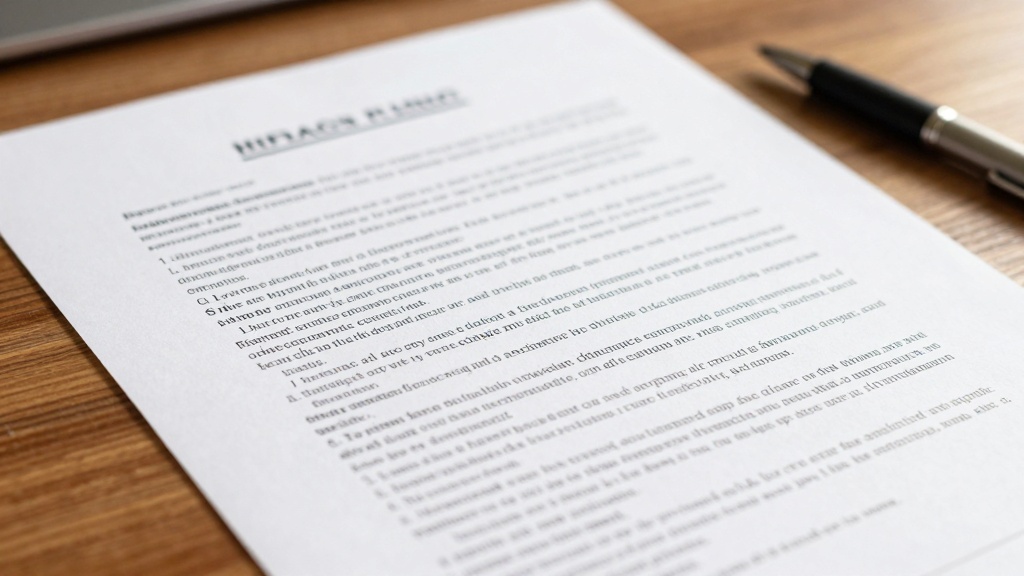
A valid notice requires specific fields like tenant names, property address, exact rent amount due, payment instructions, and a clear cure-or-quit deadline. Missing any of these elements can cause a judge to dismiss your eviction case later on.
| Essential Element | What It Covers | Why It Matters |
|---|---|---|
| Tenant Names | The full legal names of every adult listed on the lease agreement. | Courts may reject notices that only list "all occupants" or miss a named tenant. |
| Property Address | The complete street address, including unit number, city, and zip code. | This ensures there is no confusion about which rental unit the notice applies to. |
| Exact Amount Due | The total sum of past-due base rent only, excluding late fees or utilities. | Demanding non-rent charges can invalidate the entire notice in many states. |
| Payment Instructions | Specific details on where, when, and how the tenant can pay the money. | Tenants must have a clear path to cure the breach to avoid eviction. |
| Cure Deadline | The specific date and time by which payment must be received or possession surrendered. | This establishes the legal timeline for when you can file an eviction lawsuit. |
Good to know: In California, if you allow payment by mail, you must include the mailing address in the notice so the tenant knows exactly where to send the check.
How Do State Laws Change the Notice Requirements?
Notice periods vary significantly by location, ranging from three days in some states to fourteen days in others, and special rules often apply to weekends or holidays. You need to check your local statutes because using the wrong number of days can delay your case by weeks.
If you are in California or Texas, the standard is typically a 3-day notice, but you generally cannot count weekends or court holidays when calculating this deadline. Washington state requires a 14-day notice, while Nevada mandates a 7-day judicial period for nonpayment cases. Rest assured that once you know your specific state rule, it is pretty straightforward to apply it to your calendar.
Keep in mind that subsidized housing programs like Section 8 often have federal requirements that override state laws, such as a mandatory 30-day notice period. These federal rules also require an itemized breakdown of the alleged amount owed by month before you can file for eviction. It is important to verify if your property falls under these specific regulations before drafting your document.
What Are the Correct Ways to Serve the Notice?
You must deliver the notice using a method recognized by your state law, such as personal delivery, posting it on the door, or sending it via certified mail. Improper service is one of the most common reasons eviction cases get thrown out of court, so you want to be careful here.
- Hand delivery to the tenant: Give the notice directly to the tenant or a suitable adult at the residence to ensure immediate receipt.
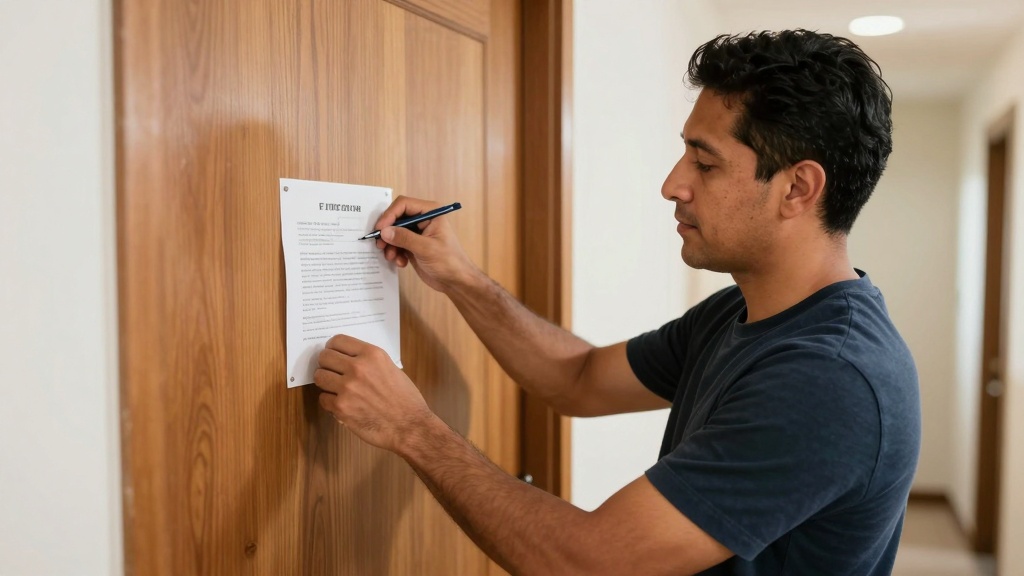
- Post and mail if unavailable: If no one is home, tape the notice to the front door and send a copy via first-class mail to create a paper trail.
- Use certified mail for proof: Send the notice via certified mail with return receipt requested to get official confirmation of delivery dates.
- Hire a process server: Consider paying a professional server to handle delivery if you want guaranteed legal proof of service.
Watch out: Never try to force the notice under the door or slide it into a mailbox slot if your state laws do not explicitly allow those methods, as this could be considered invalid service.
Quick tip: Take a photo of the notice taped to the door along with a timestamped photo of the front entrance to document your service attempt visually.
If You Need a Legally Sound Document, Can Documodo Help?
If you want to ensure your notice meets all local legal standards without hiring an attorney immediately, Documodo can help you generate a compliant form quickly. We provide templates that include the necessary clauses and formatting required by courts in many jurisdictions.
If you are unsure about the specific wording for your state, Documodo can help you create a customized notice that includes all essential legal elements.
Customize This TemplateWhat Happens After the Tenant Receives the Notice?
Once the tenant gets the notice, they usually have three main options: pay the full amount, move out voluntarily, or ignore the deadline. If they pay within the allowed time, you must accept the rent and cannot proceed with eviction for that specific period. You can have the peace of mind that accepting payment resolves the immediate issue without needing court intervention.
If the tenant moves out, you should conduct a final walkthrough to check for damages and return any security deposit according to state laws. However, if they do nothing and stay past the deadline, you will need to file an unlawful detainer lawsuit to remove them legally. Just keep in mind that you cannot start this lawsuit until the notice period has fully expired.
Good to know: In some states like Los Angeles County, if the last day of the notice falls on a weekend or holiday, the tenant has until the next business day to pay or leave.
What Common Mistakes Could Invalidate Your Notice?
Many landlords make simple errors that cause judges to dismiss their cases, forcing them to start the entire process over again. We want you to avoid these pitfalls so your eviction proceeds smoothly and without unnecessary delays.
- Including non-rent charges in the total. Adding late fees, utility bills, or repair costs to the demand amount can make the notice legally invalid in many jurisdictions.
- Miscalculating the deadline days. Failing to exclude weekends and court holidays when counting the notice period often results in an incorrect move-out date.
- Using vague language about payment. Not specifying exactly where, when, and how the tenant can pay creates confusion that courts may view as defective.
- Serving the notice improperly. Sliding the paper under the door or leaving it in a mailbox instead of following strict state service rules voids the document.
- Issuing the notice too early. Sending the notice before the rent is actually late or before a lease grace period ends violates federal and state regulations.

Frequently Asked Questions About Pay Rent or Quit Notices
Can I include late fees in the Notice to Pay Rent or Quit?
No, you generally cannot include late fees, utility charges, or other costs in this specific notice. Most courts require the demand to be for past-due base rent only, and adding extra fees can cause the judge to throw out your eviction case.
Do weekends and holidays count toward the notice deadline?
It depends on your state, but in places like California, you do not count weekends or judicial holidays when calculating a 3-day notice. If the last day lands on a Sunday, the deadline typically extends to the next business day.
What happens if the tenant pays part of the rent during the notice period?
You are not required to accept partial payment, and if you do, it might reset the notice period depending on local laws. It is usually safer to demand the full amount stated in the notice to avoid complicating the eviction timeline.
Can I change the locks if the tenant does not leave by the deadline?
No, you cannot change locks, shut off utilities, or remove tenant belongings yourself even after the notice expires. This is considered a self-help eviction and is illegal, so you must wait for a court order and sheriff involvement to remove them.
Is a verbal warning enough instead of a written notice?
No, a verbal warning is not sufficient for legal eviction proceedings. Courts require a written Notice to Pay Rent or Quit that includes specific details like names, addresses, and exact amounts to prove you gave proper notice.
A Notice to Pay Rent or Quit is a formal written demand you send when a tenant fails to pay rent on time. This document gives the tenant a specific deadline,...
Related Documents
10 Day Eviction Notice
A 10 day eviction notice is a formal written demand giving a tenant ten days to fix a lease violation or leave the property. If you issue this document corre...
30 Day Eviction Notice
A 30 day eviction notice is a written demand that ends a month-to-month tenancy or addresses specific lease violations without immediately removing the tenan...
30 Day Notice Letter
A 30 day notice letter is simply a written message telling your landlord you plan to move out or change your lease terms. It is not an eviction order, but it...
30 Day Notice Rental
A 30 day notice rental letter is the standard written document used to end a month-to-month tenancy or change lease terms like rent increases. If you serve t...