How to Write and Serve a Valid Eviction Notice in North Carolina
In North Carolina, removing a tenant requires a specific legal process called summary ejectment, which starts with a written notice. You cannot simply change the locks or shut off utilities, as doing so is illegal and could get you sued. The good news is that if you follow the state rules for notices and waiting periods, the path forward is pretty clear. We have broken down the steps so you can handle this situation with confidence and peace of mind.
9-11 minutes

Is This Guide for Your Specific Rental Situation?
- You need to remove a tenant who has not paid rent on time.
- Your tenant has violated a specific term written in the lease agreement.
- The lease term has ended and the tenant refuses to move out.
- You want to understand the legal notice periods required by North Carolina law.
- You are looking for a way to start the eviction process without making costly errors.
What Documents and Information Do You Need Before Starting?
- A copy of the signed residential lease agreement.
- Records of all rent payments and any missed due dates.
- The full legal names of all adult tenants living in the unit.
- The complete physical address of the rental property including unit number.
- Specific dates regarding when the violation occurred or when rent was due.
How Long Must You Wait Before Filing an Eviction Complaint?
North Carolina law requires specific waiting periods before you can file a summary ejectment complaint. For nonpayment of rent, you must give the tenant at least 10 days to pay. For other lease violations or holdover tenancies, notice times vary from 2 to 30 days depending on the lease type.
Timing is pretty critical in these cases because filing too early will get your case dismissed immediately. If you serve a notice on Monday for a 10-day demand, you cannot file the complaint until the eleventh day has passed. Rest assured that once you mark the correct dates on your calendar, the rest of the process flows much smoother.
Good to know: The clock starts ticking the day after the tenant receives the notice, not the day you mail it. If you hand deliver the notice, the wait begins the next morning.
Different lease arrangements have different rules that you need to follow strictly. A week-to-week tenant needs only 2 days' notice to terminate, while a month-to-month tenant requires 7 days. Year-to-year leases are the longest, needing a full 30 days' notice before you can proceed with legal action (if the lease term has simply ended).

What Essential Details Must Appear in a Valid NC Eviction Notice?
A valid eviction notice in North Carolina must include the tenant's full name, the rental property address, the specific reason for eviction, and a clear deadline date. Missing any of these elements can make the notice legally insufficient and delay your case significantly.
You can have the peace of mind that comes from knowing your document is solid if you include every required piece of information. Basically, the notice acts as the foundation for your entire court case, so vague language here causes big problems later. We recommend double-checking every name and date against your original lease agreement before you print anything.
| Required Element | What It Covers | Why It Matters |
|---|---|---|
| Tenant Names | List every adult living in the unit who signed the lease. | Courts may dismiss the case if you sue the wrong person or leave someone out. |
| Property Address | The complete physical location including street, city, and unit number. | The magistrate needs to know exactly which property is involved in the dispute. |
| Specific Reason | State clearly if it is for nonpayment, lease violation, or holdover status. | General complaints are not enough; you must cite the specific breach of contract. |
| Deadline Date | The exact date by which the tenant must pay or vacate the premises. | This date determines when you are legally allowed to file your complaint in court. |
| Amount Due | The total rent owed including any late fees permitted by the lease. | Tenants can stop the eviction by paying this exact amount before the deadline. |
Keep in mind that the reason you state must match the evidence you have ready. If you say the tenant owes rent but your records show they paid, the judge will see through it quickly. It is better to be precise and accurate than to rush and make assumptions about what the tenant knows.
How Do You Properly Deliver the Notice to Your Tenant?
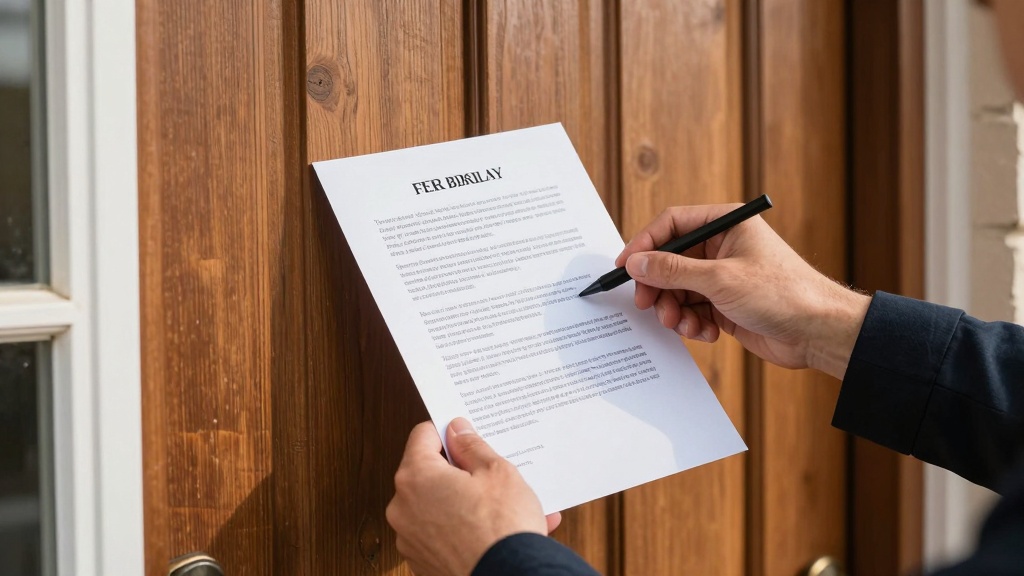
Proper delivery methods in North Carolina include personal delivery to the tenant, posting the notice on the front door, or sending it via certified mail. You must be able to prove the tenant received the notice or had a reasonable chance to see it.
Serving the notice correctly is just as important as writing it right in the first place. If you cannot prove they got it, the magistrate might throw out your case even if they owe you money. Don't worry though, because there are several accepted ways to handle this step without too much hassle.
Watch out: Do not slide the notice under the door if there is a mat or obstruction, as the tenant might claim they never saw it. Posting it securely on the main entry door is usually safer.
- Hand Delivery: Give the notice directly to the tenant or an adult residing at the property. This is the fastest method and provides immediate confirmation that they have it.
- Posting on Door: Tape or tack the notice to the front door if the tenant is not home. Make sure it is visible and protected from rain or wind so it stays there.
- Certified Mail: Send the notice via certified mail with a return receipt requested. This gives you a paper trail from the post office showing when it was delivered.
We suggest using more than one method if you want to be extra careful about your proof of service. For example, you could post it on the door and also send a copy by certified mail on the same day. This creates a strong record that you did everything required by law to inform them.
If You Need a Reliable Template, Can Documodo Help You Draft One Quickly?
If you want to ensure your notice includes all legal requirements without drafting errors, Documodo offers customizable templates designed for North Carolina laws. Our tool guides you through each field so you do not miss critical details like deadlines or tenant names.
Drafting these documents from scratch can feel pretty overwhelming if you have never done it before. You might worry about forgetting a specific phrase or getting the dates wrong, which could cost you weeks of time. The good news is that using a pre-built template removes most of that guesswork and stress.
If you find yourself unsure about the specific wording, Documodo can help you generate a compliant notice in minutes. We focus on making the process simple so you can get back to managing your property with confidence.
What Happens After the Notice Period Expires?
Once the notice period ends without payment or vacancy, you must file a summary ejectment complaint with the local magistrate. This official filing starts the court case and sets a hearing date where both sides can present their arguments.
You can have the peace of mind that comes from knowing the system is designed to resolve these disputes quickly. If the judge rules in your favor, they will issue a judgment for possession and potentially money owed. The sheriff then serves a writ of possession, which gives the tenant a final 7 days to leave before physical removal occurs.
Good to know: Even after winning in court, you cannot personally remove the tenant or their belongings. Only the sheriff has the legal authority to enforce the writ of possession and change the locks.
Keep in mind that this entire process from filing to removal usually takes a few weeks depending on the court docket. It might feel like a long wait, but following these steps ensures you stay on the right side of the law. Rest assured that once the sheriff executes the writ, the property is legally returned to your control.
Which Common Mistakes Could Invalidate Your Eviction Case?
Landlords often lose eviction cases due to self-help lockouts, incorrect notice periods, or vague language in their documents. Avoiding these specific errors saves you time, money, and potential legal liability down the road.
We see these mistakes happen a lot of times because landlords try to rush the process or skip steps they think are unnecessary. Don't worry though, simply slowing down and checking your work against state rules prevents most of these issues. You want to make sure your case is solid before you ever step foot in a courtroom.
- Attempting a self-help lockout. Changing locks or shutting off utilities without a court order is illegal in North Carolina and can lead to significant damages against you.
- Using the wrong notice period. Giving a month-to-month tenant only 2 days' notice instead of the required 7 days will cause an immediate dismissal of your case.
- Failing to name all tenants. Leaving out an adult occupant who signed the lease means the court order might not apply to them, complicating the removal.
- Being vague about the reason. Stating "lease violation" without specifying which clause was broken makes it hard for the tenant to cure the issue and weakens your argument.
- Ignoring security deposit rules. Trying to deduct excessive amounts from the deposit or failing to itemize deductions within 30 days can result in losing your right to keep any of it.

What Questions Do Landlords and Tenants Most Often Ask About NC Evictions?
Common questions focus on security deposits, retaliation defenses, and whether paying rent stops the eviction. Understanding these nuances helps both landlords and tenants navigate the process with clarity.
It is pretty normal to have confusion about how specific laws apply to your unique situation. The good news is that North Carolina statutes provide clear answers for most of these scenarios. We have compiled the most frequent inquiries below to give you quick access to the information you need.
Can I keep the security deposit if the tenant is evicted?
Yes, you can apply the deposit to unpaid rent, damages beyond normal wear and tear, and other costs allowed by the lease. However, you must still follow the Tenant Security Deposit Act rules for itemization and timing, even if the tenant left due to eviction.
What happens if the tenant pays the rent during the notice period?
If the tenant pays the full amount due including late fees before the deadline in your notice, the eviction process for nonpayment stops immediately. You must accept the payment and the tenancy continues as if the breach never happened.
Is it illegal to evict a tenant for complaining about repairs?
Yes, retaliatory eviction is prohibited under North Carolina law. If a tenant reports code violations or requests necessary repairs in good faith, you cannot evict them in response to that action within a certain timeframe.
Do I need a lawyer to file for summary ejectment?
No, you are not required to have an attorney to file a summary ejectment complaint in magistrate court. Many landlords handle this process themselves, though complex cases involving commercial leases or significant disputes might benefit from legal counsel.
How long does the tenant have to move out after the judge rules?
After the judge grants possession, the tenant typically has 10 days to appeal. If no appeal is filed, the sheriff will issue a writ of possession giving the tenant 7 days to vacate before physical removal takes place.
In North Carolina, removing a tenant requires a specific legal process called summary ejectment, which starts with a written notice. You cannot simply change...
Related Documents
10 Day Eviction Notice
A 10 day eviction notice is a formal written demand giving a tenant ten days to fix a lease violation or leave the property. If you issue this document corre...
30 Day Eviction Notice
A 30 day eviction notice is a written demand that ends a month-to-month tenancy or addresses specific lease violations without immediately removing the tenan...
30 Day Notice Letter
A 30 day notice letter is simply a written message telling your landlord you plan to move out or change your lease terms. It is not an eviction order, but it...
30 Day Notice Rental
A 30 day notice rental letter is the standard written document used to end a month-to-month tenancy or change lease terms like rent increases. If you serve t...