How to Write and Serve a Valid California Eviction Notice Correctly
If you need to end a tenancy in California, the process basically starts with a specific written document called an eviction notice. This legal paper tells your tenant exactly what they must do to fix the issue or when they simply need to move out by. You can have the peace of mind that following the strict state rules from the beginning helps avoid costly delays later on. Just remember that skipping this step or using the wrong form means you cannot file a lawsuit yet.
9-11 minutes

Is This Guide for You?
- You are a landlord who needs to remove a tenant for non-payment of rent or lease violations.
- You own a rental property and want to end a month-to-month agreement without a specific reason.
- You received a notice and need to understand what your landlord is legally allowed to demand.
- You manage properties and need to ensure your termination letters comply with AB 1482 just cause rules.
Before You Start: What Do You Need Ready?
- The original lease agreement to verify the terms the tenant agreed to sign initially.
- Proof of ownership or management authority to confirm you have the right to issue the notice.
- Specific dates regarding when the rent was due or when the violation occurred.
- Tenant contact information including full legal names and the exact rental unit address.
- A plan for service so you know how you will physically deliver the document to the tenant.
Which Type of California Eviction Notice Should You Use?
California law requires specific notice periods based on the reason for eviction, ranging from 3 days for non-payment to 60 or 90 days for ending a tenancy without cause under AB 1482.
Picking the right form is basically the most important part of the whole process, since using the wrong one can reset your timeline completely. If you are dealing with unpaid rent, you generally need a 3-Day Notice to Pay Rent or Quit, which gives the tenant a very short window to fix the issue. For lease violations like having an unauthorized pet or causing noise disturbances, a 3-Day Notice to Perform Covenant or Quit is usually the standard choice (if the violation can be corrected).
Rest assured that if you simply want to end a month-to-month tenancy without any fault from the tenant, the rules depend heavily on how long they have lived there. Tenants who have occupied the unit for less than a year typically require a 30-Day Notice, while those staying longer often need a 60-Day Notice under state protections. Keep in mind that some cities have even stricter local ordinances that might require 90 days or just cause reasons regardless of state minimums.
| Notice Type | What It Covers | Why It Matters |
|---|---|---|
| 3-Day Notice to Pay Rent or Quit | Used when tenant fails to pay rent on time. | Gives tenant 3 days to pay full amount or leave before lawsuit. |
| 3-Day Notice to Perform Covenant or Quit | Used for fixable lease violations like noise or pets. | Allows tenant to cure the breach within 3 days to stay. |
| 3-Day Unconditional Quit Notice | Used for severe violations like illegal activity or damage. | Offers no chance to fix issue; tenant must move out immediately. |
| 30-Day or 60-Day Notice | Used to end month-to-month tenancy without cause. | Depends on tenure length and local just cause laws under AB 1482. |
Good to know: Under the Tenant Protection Act of 2019 (AB 1482), many tenants are entitled to "just cause" protections, meaning you cannot end their tenancy without a valid reason listed in the law if they have lived there over 12 months.

What Essential Details Must Be in the Notice?
A valid California eviction notice must include the tenant's full name, property address, specific reason for termination, exact dollar amounts owed if applicable, and clear deadlines for compliance.
You can have the peace of mind that including every single required detail prevents the court from dismissing your case later on due to technical errors. The document needs to clearly state the full names of all adult tenants and the complete physical address of the rental unit, including the apartment number. If you are asking for money, you must list the exact amount due, the period it covers, and where the tenant can make the payment (for example, by mail or in person).
Just remember that vague language like "you broke the rules" is not enough, since the notice must specify exactly what lease term was violated. Dates are pretty critical too, so ensure the deadline for paying or moving out is calculated correctly excluding weekends and holidays if the period is less than 5 days. Don't worry if this sounds like a lot of information, because missing even one small item can invalidate the entire notice.
Watch out: Never include threats, harassment, or false statements in the notice, as this can be used against you in court and may violate tenant harassment laws.
How Do You Properly Serve the Notice to the Tenant?
California law allows three legal methods for serving an eviction notice: personal delivery, substituted service with mailing, or posting and mailing, but self-help lockouts are strictly illegal.
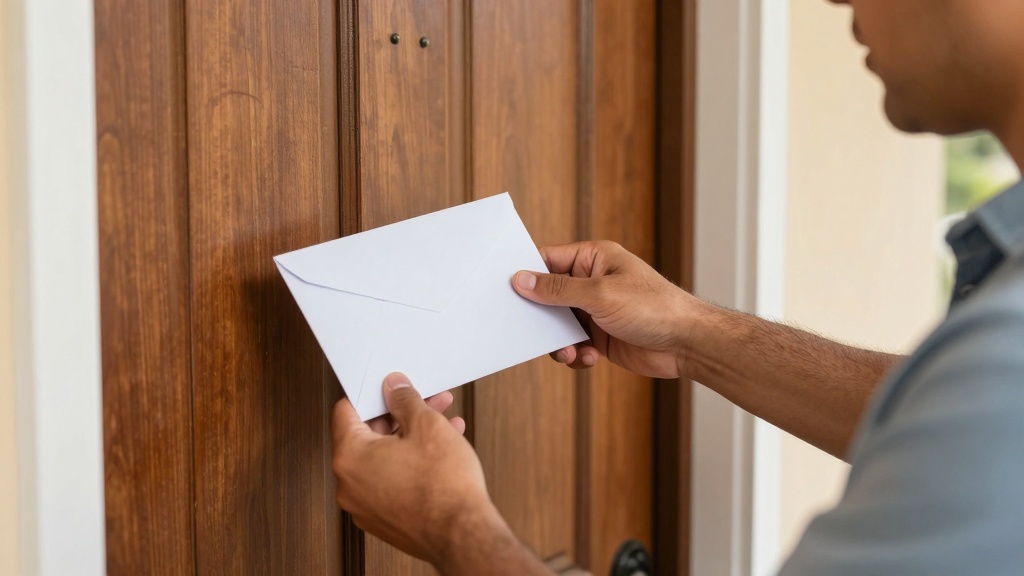
Serving the paper correctly is basically the step that starts the legal clock ticking, so doing it wrong means the timeline never actually begins. The best method is personal delivery, where you hand the notice directly to the tenant or an authorized agent at their home or workplace. If you cannot find the tenant after trying reasonably hard, you can use substituted service by giving the notice to another adult at the residence and then mailing a copy to the address.
If nobody is home at all, you might need to use "post and mail," which involves taping the notice to the front door in a visible spot and sending a copy via first-class mail. Keep in mind that you cannot just slide it under the mat or email it unless your lease specifically allows electronic service for this type of notice. You can have the peace of mind that following these strict rules ensures the judge will accept your proof of service later.
- Attempt Personal Delivery: Go to the rental unit during normal business hours and hand the notice directly to the tenant.
- Try Substituted Service: If the tenant is absent, give the notice to a competent adult at the home and mail a second copy immediately.
- Use Post and Mail: If no one answers, tape the notice securely to the entry door and mail a copy via first-class post.
- Document Everything: Write down the date, time, method used, and description of the person who received the notice for your records.
Quick tip: Take a photo of the notice taped to the door and keep the receipt from the post office as extra proof that you followed the law.
If You Need a Compliant Form, Can Documodo Help?
Documodo provides customizable California eviction notice templates that automatically include required legal clauses and formatting to help ensure your document meets state standards.
If you are worried about missing a critical detail or calculating the dates incorrectly, Documodo can help you generate a compliant notice tailored to your specific situation. Our templates are designed to guide you through the necessary fields so you don't have to guess what language to use. You can simply fill in your tenant's info and the reason for the notice, and we handle the rest.
If you need a correctly formatted notice quickly, Documodo can help you create one that follows current California laws.
Customize This TemplateWhat Happens After the Notice Period Ends?
If the tenant does not pay or move out by the deadline, you must file an unlawful detainer lawsuit in court rather than taking matters into your own hands.
Once the notice period expires without compliance, the situation basically moves from a private dispute to a formal legal case that requires court intervention. You cannot simply change the locks or remove the tenant's belongings yourself, as doing so is illegal and can get you sued for damages. Rest assured that filing an unlawful detainer complaint is the standard next step to get a judge involved and potentially a sheriff to enforce the move-out.
If the tenant ignores the court summons, you might win by default, but if they show up to fight it, be prepared for a hearing where you present your evidence. Keep in mind that this process can take several weeks or even months depending on the court backlog and whether the tenant requests more time. You can have the peace of mind that following this official route protects you from liability and ensures the eviction is legally binding.

What Common Mistakes Should Landlords Avoid?
Landlords often lose eviction cases due to simple errors like using the wrong notice form, miscalculating days, or attempting illegal self-help evictions instead of going through court.
- Using the wrong notice type. Selecting a 30-day notice for non-payment instead of a 3-day notice invalidates the entire process immediately.
- Miscalculating the deadline. Failing to exclude weekends and holidays when the notice period is less than five days gives the tenant extra time you didn't intend.
- Attempting self-help eviction. Changing locks, shutting off utilities, or removing doors is strictly illegal and can result in significant fines against you.
- Filing too early. Starting the lawsuit before the notice period has fully expired causes the court to dismiss your case right away.
- Ignoring just cause laws. Trying to evict a tenant covered by AB 1482 without a valid reason listed in the statute leads to automatic failure.
- Serving the notice incorrectly. Sliding the paper under the door without mailing a copy or handing it to an unauthorized person fails to meet legal service requirements.
Frequently Asked Questions About California Evictions
Can I evict a tenant without a reason in California?
It depends on how long they have lived there and where the property is located. If the tenant has occupied the unit for more than 12 months, AB 1482 usually requires you to have a "just cause" reason to end the tenancy. For shorter tenancies or exempt properties, you might be able to use a no-cause notice, but you should check local city ordinances first.
Do weekends and holidays count toward the 3-day notice period?
No, weekends and judicial holidays do not count if the notice period is three days or less. This means if you serve the notice on a Friday, the clock basically starts on the next business day, giving the tenant more time than just 72 hours. You can have the peace of mind that calculating this correctly prevents the tenant from claiming the notice was invalid.
What happens if the tenant pays part of the rent during the notice period?
Accepting partial payment can sometimes void your 3-Day Notice to Pay Rent or Quit, forcing you to start the process over again. If you want to proceed with the eviction, you generally need to refuse partial payments unless you have already filed the lawsuit. Just remember that rules about partial payments can vary, so it is wise to be consistent with your policy.
Is a verbal eviction notice valid in California?
No, California law strictly requires eviction notices to be in writing to be legally enforceable. A verbal request to leave holds no weight in court and does not start the legal timeline for an unlawful detainer lawsuit. You must physically serve a written document that meets all state formatting requirements.
How long does a tenant have to respond after I file the lawsuit?
Once you file the unlawful detainer complaint and serve the tenant, they typically have five court days to file a written response. If they fail to respond within this window, you can ask the court for a default judgment to regain possession of the property. Don't worry if they do respond, as this just means you will have a hearing date set to present your case.
If you need to end a tenancy in California, the process basically starts with a specific written document called an eviction notice. This legal paper tells y...
Related Documents
10 Day Eviction Notice
A 10 day eviction notice is a formal written demand giving a tenant ten days to fix a lease violation or leave the property. If you issue this document corre...
30 Day Eviction Notice
A 30 day eviction notice is a written demand that ends a month-to-month tenancy or addresses specific lease violations without immediately removing the tenan...
30 Day Notice Letter
A 30 day notice letter is simply a written message telling your landlord you plan to move out or change your lease terms. It is not an eviction order, but it...
30 Day Notice Rental
A 30 day notice rental letter is the standard written document used to end a month-to-month tenancy or change lease terms like rent increases. If you serve t...