How to Write and Serve a Valid 5 Day Eviction Notice for Unpaid Rent
A 5 day eviction notice is a legal document that tells a tenant they have five days to pay overdue rent or move out before you can file a lawsuit. If you are dealing with unpaid rent in states like Illinois, Arizona, or Wisconsin, this notice is often the required first step to start the eviction process. You don't need to worry about complex legal jargon because we will break down exactly what needs to be in the letter and how to deliver it properly.
9-11 minutes

Is This Guide for You?
- You are a landlord in a state that requires a 5-day notice for nonpayment, such as Illinois, Arizona, Nevada, or Wisconsin.
- Your tenant has failed to pay rent on time, and you need to formally demand payment before going to court.
- You want to understand the difference between a 5-day notice and other types of eviction notices, like 3-day or 30-day notices.
- You need to know the correct way to serve the notice, so your eviction case isn't dismissed later due to technical errors.
Before You Start: What Do You Need?
- A copy of the signed lease agreement, which proves the rental amount and due dates agreed upon by both parties.
- The exact amount of rent owed, including any late fees if your lease allows them and local laws permit charging them.
- The tenant's full legal name(s), as they appear on the lease, to ensure the notice is legally valid.
- The complete property address, including unit numbers, so there is no confusion about which rental unit is involved.
- A plan for serving the notice, such as certified mail, personal delivery, or posting it on the door, depending on your state's rules.
What Is a 5 Day Eviction Notice and How Does It Work?
A 5 day eviction notice is a formal legal demand that gives tenants five days to pay overdue rent or vacate the property before you can file a lawsuit. If you are in states like Illinois, Arizona, or Wisconsin, this specific timeframe is often mandated by law for nonpayment cases. You can have the peace of mind that following these statutory rules protects your right to pursue eviction if the tenant does not comply.
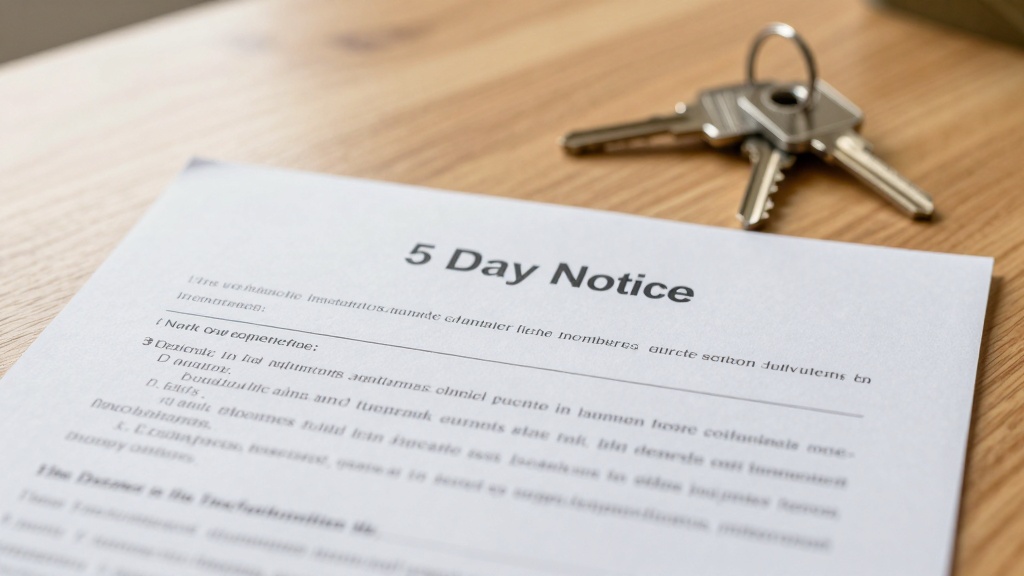
This notice acts as a final warning before court proceedings begin, basically telling the tenant they must cure the breach or leave. It is pretty straightforward, but the exact rules depend heavily on where your rental property is located. Rest assured, we will clarify which states use this timeline so you do not waste time on the wrong form.
Why Do Some States Require a 5 Day Notice?
States like Illinois, Arizona, Wisconsin, and Nevada have statutes that specifically mandate a five-day window for tenants to respond to nonpayment claims. If you own property in these jurisdictions, you must follow their specific laws because using a different notice period could get your case dismissed. The good news is that understanding these local requirements helps you avoid costly delays in the eviction process.
For example, Arizona's Residential Landlord and Tenant Act requires a written notice stating rent is unpaid and that the lease will terminate if not paid within five days. Similarly, the Illinois Attorney General confirms that landlords must give tenants five days to pay rent before proceeding with an eviction for nonpayment. Keep in mind that other states like Massachusetts typically require a 14-day notice instead, so checking your local code is essential.
Good to know: In Wisconsin, a 5-day notice often includes a "right to cure," meaning the tenant can stop the eviction by paying the full amount owed within those five days.
These laws exist to balance the landlord's need for payment with the tenant's right to avoid immediate displacement. Once you know your state's rule, you can simply follow the timeline without guessing. Don't worry if the laws seem complex, because sticking to the official forms usually covers the basics.
What Must Be Included in a Valid 5 Day Notice?
A valid 5 day notice must contain specific details to be legally enforceable, including tenant names, the property address, and the exact amount due. If you miss any of these elements, a judge might throw out your case, so accuracy is pretty important. You can have the peace of mind that including all required information strengthens your position if you end up in court.
| Essential Element | What It Covers | Why It Matters |
|---|---|---|
| Tenant Names | The full legal names of all adults listed on the lease agreement. | Ensures the notice is served to the correct parties and avoids confusion about who is responsible. |
| Property Address | The complete street address, including unit or apartment numbers. | Identifies the specific rental unit involved in the dispute so there is no ambiguity. |
| Amount Due | The exact total of unpaid rent and any allowable late fees. | Tells the tenant precisely what they must pay to stop the eviction process. |
| Deadline Date | The specific date by which payment must be received or the tenant must vacate. | Establishes the clear five-day timeline required by state law for the tenant to act. |
| Landlord Contact Info | Your name, phone number, or address where payment can be sent. | Provides the tenant with a way to contact you or deliver the payment to cure the breach. |
Official court forms, like the 5-Day Notice to Pay Rent from Pinal County, AZ, show exactly how to phrase these demands clearly. Basically, the notice should state that the tenant must pay the total owed within five calendar days or move out and return the keys. If you are unsure about late fees, just check your lease agreement to see if they are permitted before adding them to the total.
Watch out: Do not include amounts for utilities or damages unless your lease explicitly allows you to demand these in a rent notice, as this could invalidate the document.
How Do You Properly Serve a 5 Day Notice?
Proper service means delivering the notice in a way that your state law recognizes, such as personal delivery, certified mail, or posting it on the door. If you do not serve the notice correctly, the five-day clock does not start, and your eviction case could be delayed. Rest assured, using a method that provides proof of delivery helps protect you if the tenant claims they never received it.
- Choose an approved method: Check your local laws to see if you must hand-deliver the notice, send it via certified mail, or if posting it on the front door is acceptable.
- Prepare the document: Print multiple copies of the signed notice so you have one for the tenant, one for your records, and one for the court if needed.
- Deliver the notice: Hand the notice directly to the tenant or an adult at the residence, or mail it with a return receipt requested if required.
- Document the service: Write down the date, time, and method of delivery, and take a photo if you post it on the door.
- Wait the full period: Count five days excluding weekends or holidays if your state requires it, and do not file a lawsuit until the period expires.

In New York, for instance, LawHelpNY explains that landlords must send a 5-day late rent notice by certified mail if rent is not paid within five days of the due date. Once you have served the notice, simply wait for the deadline to pass before taking further action. Don't worry if the tenant avoids you, because posting the notice on the door is often a legal alternative if personal delivery fails.
What Happens After the 5 Days Expire?
Once the five days expire without payment or vacancy, you can proceed to file an eviction lawsuit, often called an unlawful detainer action, in your local court. If the tenant still does not pay or leave, this legal filing is the next necessary step to regain possession of your property. The good news is that having a properly served 5-day notice makes your court case much stronger and harder for the tenant to fight.
At this stage, the tenant may try to pay the rent to stop the eviction, but you are generally not required to accept it if the deadline has passed. Keep in mind that some states have specific rules about accepting partial payments, so you should verify your local laws before deciding. You can have the peace of mind that the court process provides a formal resolution if the tenant refuses to cooperate.
Quick tip: Keep a copy of the proof of service and the original notice handy, as the judge will likely ask to see them during your hearing.
If you find the court filing process overwhelming, Documodo can help you generate the necessary legal forms quickly. If you need to move forward with an eviction lawsuit, our templates ensure you have the correct documents ready for your jurisdiction. Customize This Template
How to Write and Serve a Valid 5 Day Eviction Notice for Unpaid Rent
A 5 day eviction notice is a legal document that tells a tenant they have five days to pay overdue rent or move out before you can file a lawsuit. If you are dealing with unpaid rent in states like Illinois, Arizona, or Wisconsin, this notice is often the required first step to start the eviction process. You don't need to worry about complex legal jargon because we will break down exactly what needs to be in the letter and how to deliver it properly.
9-11 minutes

Is This Guide for You?
- You are a landlord in a state that requires a 5-day notice for nonpayment, such as Illinois, Arizona, Nevada, or Wisconsin.
- Your tenant has failed to pay rent on time, and you need to formally demand payment before going to court.
- You want to understand the difference between a 5-day notice and other types of eviction notices, like 3-day or 30-day notices.
- You need to know the correct way to serve the notice, so your eviction case isn't dismissed later due to technical errors.
Before You Start: What Do You Need?
- A copy of the signed lease agreement, which proves the rental amount and due dates agreed upon by both parties.
- The exact amount of rent owed, including any late fees if your lease allows them and local laws permit charging them.
- The tenant's full legal name(s), as they appear on the lease, to ensure the notice is legally valid.
- The complete property address, including unit numbers, so there is no confusion about which rental unit is involved.
- A plan for serving the notice, such as certified mail, personal delivery, or posting it on the door, depending on your state's rules.
What Is a 5 Day Eviction Notice and How Does It Work?
A 5 day eviction notice is a formal legal demand that gives tenants five days to pay overdue rent or vacate the property before you can file a lawsuit. If you are in states like Illinois, Arizona, or Wisconsin, this specific timeframe is often mandated by law for nonpayment cases. You can have the peace of mind that following these statutory rules protects your right to pursue eviction if the tenant does not comply.
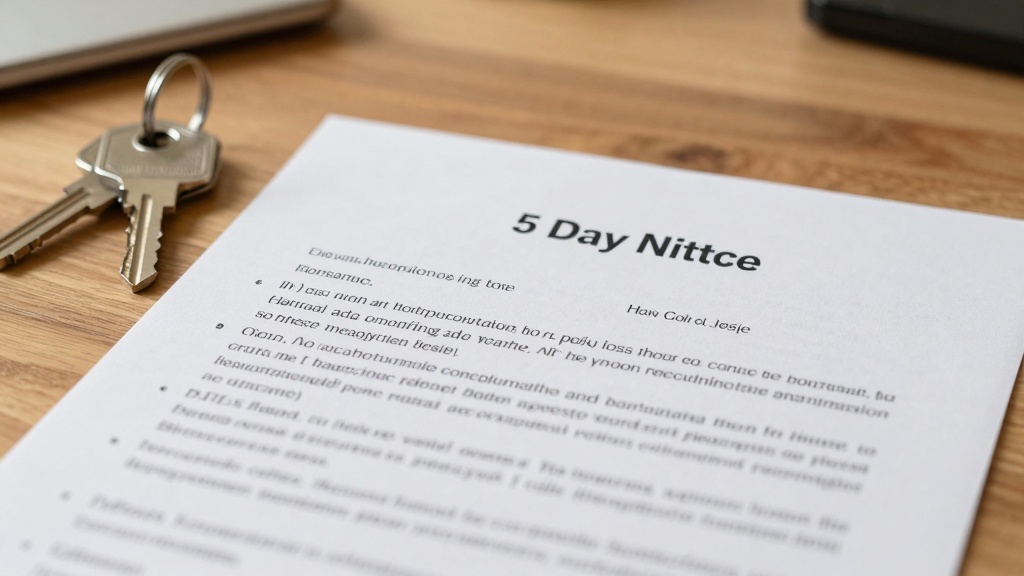
This notice acts as a final warning before court proceedings begin, basically telling the tenant they must cure the breach or leave. It is pretty straightforward, but the exact rules depend heavily on where your rental property is located. Rest assured, we will clarify which states use this timeline so you do not waste time on the wrong form.
Why Do Some States Require a 5 Day Notice?
States like Illinois, Arizona, Wisconsin, and Nevada have statutes that specifically mandate a five-day window for tenants to respond to nonpayment claims. If you own property in these jurisdictions, you must follow their specific laws because using a different notice period could get your case dismissed. The good news is that understanding these local requirements helps you avoid costly delays in the eviction process.
For example, Arizona's Residential Landlord and Tenant Act requires a written notice stating rent is unpaid and that the lease will terminate if not paid within five days. Similarly, the Illinois Attorney General confirms that landlords must give tenants five days to pay rent before proceeding with an eviction for nonpayment. Keep in mind that other states like Massachusetts typically require a 14-day notice instead, so checking your local code is essential.
Good to know: In Wisconsin, a 5-day notice often includes a "right to cure," meaning the tenant can stop the eviction by paying the full amount owed within those five days.
These laws exist to balance the landlord's need for payment with the tenant's right to avoid immediate displacement. Once you know your state's rule, you can simply follow the timeline without guessing. Don't worry if the laws seem complex, because sticking to the official forms usually covers the basics.
What Must Be Included in a Valid 5 Day Notice?
A valid 5 day notice must contain specific details to be legally enforceable, including tenant names, the property address, and the exact amount due. If you miss any of these elements, a judge might throw out your case, so accuracy is pretty important. You can have the peace of mind that including all required information strengthens your position if you end up in court.
| Essential Element | What It Covers | Why It Matters |
|---|---|---|
| Tenant Names | The full legal names of all adults listed on the lease agreement. | Ensures the notice is served to the correct parties and avoids confusion about who is responsible. |
| Property Address | The complete street address, including unit or apartment numbers. | Identifies the specific rental unit involved in the dispute so there is no ambiguity. |
| Amount Due | The exact total of unpaid rent and any allowable late fees. | Tells the tenant precisely what they must pay to stop the eviction process. |
| Deadline Date | The specific date by which payment must be received or the tenant must vacate. | Establishes the clear five-day timeline required by state law for the tenant to act. |
| Landlord Contact Info | Your name, phone number, or address where payment can be sent. | Provides the tenant with a way to contact you or deliver the payment to cure the breach. |
Official court forms, like the 5-Day Notice to Pay Rent from Pinal County, AZ, show exactly how to phrase these demands clearly. Basically, the notice should state that the tenant must pay the total owed within five calendar days or move out and return the keys. If you are unsure about late fees, just check your lease agreement to see if they are permitted before adding them to the total.
Watch out: Do not include amounts for utilities or damages unless your lease explicitly allows you to demand these in a rent notice, as this could invalidate the document.
How Do You Properly Serve a 5 Day Notice?
Proper service means delivering the notice in a way that your state law recognizes, such as personal delivery, certified mail, or posting it on the door. If you do not serve the notice correctly, the five-day clock does not start, and your eviction case could be delayed. Rest assured, using a method that provides proof of delivery helps protect you if the tenant claims they never received it.
- Choose an approved method: Check your local laws to see if you must hand-deliver the notice, send it via certified mail, or if posting it on the front door is acceptable.
- Prepare the document: Print multiple copies of the signed notice so you have one for the tenant, one for your records, and one for the court if needed.
- Deliver the notice: Hand the notice directly to the tenant or an adult at the residence, or mail it with a return receipt requested if required.
- Document the service: Write down the date, time, and method of delivery, and take a photo if you post it on the door.
- Wait the full period: Count five days excluding weekends or holidays if your state requires it, and do not file a lawsuit until the period expires.

In New York, for instance, LawHelpNY explains that landlords must send a 5-day late rent notice by certified mail if rent is not paid within five days of the due date. Once you have served the notice, simply wait for the deadline to pass before taking further action. Don't worry if the tenant avoids you, because posting the notice on the door is often a legal alternative if personal delivery fails.
What Happens After the 5 Days Expire?
Once the five days expire without payment or vacancy, you can proceed to file an eviction lawsuit, often called an unlawful detainer action, in your local court. If the tenant still does not pay or leave, this legal filing is the next necessary step to regain possession of your property. The good news is that having a properly served 5-day notice makes your court case much stronger and harder for the tenant to fight.
At this stage, the tenant may try to pay the rent to stop the eviction, but you are generally not required to accept it if the deadline has passed. Keep in mind that some states have specific rules about accepting partial payments, so you should verify your local laws before deciding. You can have the peace of mind that the court process provides a formal resolution if the tenant refuses to cooperate.
Quick tip: Keep a copy of the proof of service and the original notice handy, as the judge will likely ask to see them during your hearing.
If you find the court filing process overwhelming, Documodo can help you generate the necessary legal forms quickly. If you need to move forward with an eviction lawsuit, our templates ensure you have the correct documents ready for your jurisdiction. Customize This Template
What Are Common Mistakes When Using a 5 Day Notice?
Even experienced landlords make errors when handling evictions, but knowing what to avoid saves you a lot of trouble. If you make these common mistakes, your case could be delayed or dismissed entirely. Don't worry, because being aware of these pitfalls helps you stay on the right track.
- Miscalculating the five-day period. Many landlords count weekends or holidays when their state law excludes them, which invalidates the notice timeline.
- Filing the lawsuit too early. Submitting court papers before the full five days have passed gives the tenant grounds to dismiss your case immediately.
- Using incorrect language in the notice. Failing to state clearly that the lease will terminate if rent is not paid can render the notice legally insufficient.
- Serving the notice improperly. Just slipping the paper under the door without checking if your state requires certified mail or personal delivery often leads to problems.
- Accepting partial payments after the deadline. Taking even a small amount of rent after the notice expires can reset the eviction process in many jurisdictions.
What Happens After the Process Is Complete?
Once the eviction is finalized, either by the tenant leaving or a court order enforcing removal, you regain possession of the property. If the tenant left belongings behind, you must follow state laws regarding storage and disposal of abandoned property. The good news is that you can finally prepare the unit for a new, reliable tenant.
You should also update your records to reflect the outcome, especially if you plan to report the eviction to credit bureaus or tenant screening services. Rest assured, completing this process correctly protects your investment and sets a clear precedent for future tenancies. It happens to a lot of people, so do not feel bad about enforcing your lease terms.

Frequently Asked Questions About 5 Day Eviction Notices
Do weekends and holidays count towards the 5 days?
It depends on your state, but many jurisdictions exclude weekends and legal holidays from the count. For example, if the fifth day falls on a Sunday, the deadline often extends to the next business day. You should check your local statutes to be sure, because counting incorrectly can invalidate your notice.
Can I accept partial payment during the 5-day period?
In most cases, yes, and accepting full or partial payment during the notice period usually stops the eviction process for that specific breach. However, if you accept payment, you typically cannot proceed with eviction based on that particular nonpayment instance. Keep in mind that some states have strict rules about this, so verify your local laws before cashing the check.
What if the tenant pays on the sixth day?
Once the five-day period expires, you are generally not obligated to accept the rent and can proceed with filing an eviction lawsuit. If you choose to accept late payment after the deadline, it might reset the process, so you need to decide quickly. The good news is that the choice is usually yours once the legal notice period has ended.
Is a 5-day notice the same as a 3-day notice?
No, they are different timelines required by different states for different situations. A 3-day notice is common in states like California and Florida, while a 5-day notice is standard in Illinois, Arizona, and Wisconsin. You must use the specific notice period mandated by your state's landlord-tenant laws.
Can I charge late fees in the 5-day notice?
You can only include late fees if your lease agreement explicitly allows them and your state law permits charging them in an eviction notice. Adding unauthorized fees could make the notice invalid, so just stick to the base rent if you are unsure. Rest assured, focusing on the unpaid rent is the safest approach to ensure your notice holds up in court.
A 5 day eviction notice is a legal document that tells a tenant they have five days to pay overdue rent or move out before you can file a lawsuit. If you are...
Related Documents
10 Day Eviction Notice
A 10 day eviction notice is a formal written demand giving a tenant ten days to fix a lease violation or leave the property. If you issue this document corre...
30 Day Eviction Notice
A 30 day eviction notice is a written demand that ends a month-to-month tenancy or addresses specific lease violations without immediately removing the tenan...
30 Day Notice Letter
A 30 day notice letter is simply a written message telling your landlord you plan to move out or change your lease terms. It is not an eviction order, but it...
30 Day Notice Rental
A 30 day notice rental letter is the standard written document used to end a month-to-month tenancy or change lease terms like rent increases. If you serve t...