What Is a 3 Day Eviction Notice and How Does It Work?
A 3 day eviction notice is a written demand for rent or vacancy that starts the legal clock before court filing. You must count business days carefully, excluding weekends and holidays in many states, to ensure the deadline is valid. If you get this right, you can proceed with confidence, knowing you've followed the required first step.
9-11 minutes

Is This Guide for You and Your Rental Situation?
- You need to address unpaid rent quickly. This guide helps if your tenant missed a payment deadline and you need to formally demand it.
- Your tenant violated a serious lease term. We cover scenarios involving unauthorized occupants or severe disturbances where a short notice period applies.
- You want to avoid court delays later. If you plan to file an eviction lawsuit eventually, starting with the correct notice prevents dismissal.
- You are unsure about counting days. Rest assured, we explain exactly how to calculate the deadline so you don't make a simple math error.
What Do You Need Before Serving a 3 Day Notice?
- A copy of the written lease agreement. You need this to verify the rent amount and any specific clauses regarding late payments or violations.
- An exact calculation of owed rent. Make sure you have the precise dollar figure, including any allowed late fees, ready to write down.
- A plan for proof of service. You will need a way to document how and when you delivered the notice to the tenant.
- Knowledge of local holiday exclusions. Check your local court calendar to see if any upcoming days count as legal holidays in your area.
Good to know: In California and many other states, a 3-day notice to pay rent or quit gives the tenant three business days to act, which means Saturdays, Sundays, and judicial holidays do not count toward the deadline.
Watch out: If you miscalculate the days or serve the notice incorrectly, a judge might dismiss your eviction case later, forcing you to start the whole process over again.
Why Are State Laws Different for 3 Day Notices?
If you are managing properties in multiple locations, you might notice that rules change depending on where the building sits. We understand this can feel pretty confusing, but rest assured, checking local statutes is simply a matter of looking up your specific county or state code. The good news is that once you know your local rule, you can have the peace of mind that you are following the right path.
In California, courts strictly enforce business day counting, meaning weekends and judicial holidays never count toward the three days (if you serve on a Friday, the clock starts Monday). Texas law allows leases to set their own notice periods, so a 3-day notice is often the default unless your contract says otherwise. Washington State uses 3-day notices for serious issues like crime or nuisance, while other violations might need longer timelines.
Good to know: Some cities like Los Angeles require extra forms or relocation payments even if state law allows a standard 3-day notice, so always check local city ordinances before acting.

What Must Be Included in a Valid 3 Day Notice?
A valid notice needs specific details to hold up in court, or else a judge might throw out your case later. You can have the peace of mind that including these elements protects your rights as a landlord. Don't worry, we have listed exactly what needs to go on the paper so you don't miss anything important.
| Essential Element | What It Covers | Why It Matters |
|---|---|---|
| Tenant Names | Lists every adult living in the unit who signed the lease. | Courts need to know exactly who is being evicted to enforce the order later. |
| Property Address | The full street address including unit number of the rental. | This ensures there is no confusion about which property the notice applies to. |
| Exact Amount Due | The precise dollar figure of unpaid rent without extra fees unless allowed. | Demanding too much money can invalidate the notice under many state laws. |
| Deadline Date | The specific calendar date when the tenant must pay or leave. | Tenants need a clear endpoint to understand when legal action begins. |
| Pay-or-Quit Language | Clear statement that they must pay rent or vacate the premises. | This defines the two options available to the tenant to stop eviction. |
Keep in mind that vague language like "pay what you owe" often fails because it doesn't tell the tenant the exact number. If you include the date you served the notice, it helps avoid arguments about when the clock started ticking. Basically, the more specific you are, the harder it is for a tenant to claim they didn't understand.
How Do You Properly Serve a 3 Day Notice to Tenant?
Serving the notice correctly is just as important as writing it right, since bad service can ruin your whole case. Rest assured, following these standard methods ensures you have proof that the tenant received the document. You don't need to be a lawyer to do this, you just need to follow the steps carefully.
- Attempt personal delivery first: Hand the notice directly to the tenant or any adult living at the property who can accept it.
- Use substituted service if needed: If no one is home, give the notice to a suitable person at the house and mail a copy to the tenant immediately.
- Post and mail as a last resort: Tape the notice to the front door in a visible spot and send another copy via certified mail.
- Document the service: Write down the date, time, method used, and description of the person who received it for your records.
Watch out: Never threaten the tenant or try to force entry to serve the notice, as this could lead to harassment claims against you.
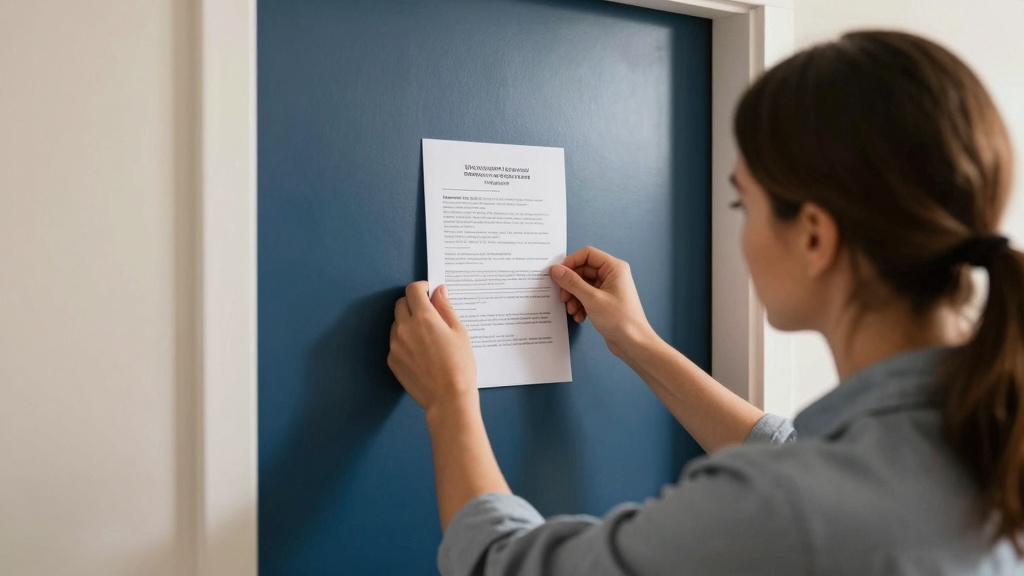
If you find yourself unsure about which service method works best for your situation, Documodo can help you generate a notice that includes clear instructions for proper delivery. We make it simple to create documents that follow standard legal formatting so you feel confident in your process.
If you need a reliable format for your notice, Documodo can help you create a compliant document quickly.
Customize This TemplateWhat Happens After the 3 Day Period Ends?
Once the three days pass, you will face one of two outcomes depending on what the tenant decides to do. The good news is that having a clear plan for both scenarios means you won't feel stuck or confused. You can have the peace of mind that you know exactly what step comes next.
If the tenant pays the full amount or fixes the violation, the notice ends and the tenancy continues normally. However, if they do nothing, you can proceed to file an unlawful detainer lawsuit with your local court to start the formal eviction. Just remember that you cannot change locks or shut off utilities yourself, as only a sheriff can remove a tenant legally.
What Common Mistakes Make a 3 Day Notice Invalid?
We know you want to get this right the first time, so avoiding these common errors is pretty important for your success. Don't worry, most landlords make these mistakes simply because they aren't aware of the strict rules. Rest assured, checking your work against this list can save you a lot of time and frustration later.
- Calculating the days incorrectly. Many people count weekends or holidays when state law says you must skip them, which resets your timeline.
- Demanding the wrong amount of rent. If you include unauthorized late fees or guess the total, the court may reject your entire case.
- Using vague language in the notice. Phrases like "pay what you owe" often fail because they do not give the tenant a specific number to act on.
- Failing to prove service properly. If you cannot show exactly how and when you delivered the notice, a judge might dismiss your lawsuit immediately.
- Ignoring local city ordinances. Some cities have extra rules about relocation assistance or specific forms that override general state laws.
Good to know: A recent California court decision ruled that a notice was invalid because it did not clearly state when the three-day period started and ended, proving that clarity is just as important as the deadline itself.
What Happens Next Once the Process Is Complete?
After you have served the notice and the deadline passes, the situation usually resolves in one of two ways depending on the tenant's response. You can have the peace of mind that knowing these outcomes helps you prepare for whatever comes next. The good news is that following the correct steps puts you in a strong position either way.
If the tenant pays the rent or cures the violation within the three days, the notice expires and your rental agreement continues as normal. However, if they do not comply, you will need to file an unlawful detainer lawsuit with the court to move forward with the eviction. Keep in mind that you cannot physically remove the tenant or change the locks yourself, as only a sheriff or marshal can legally enforce an eviction order.

Frequently Asked Questions About 3 Day Eviction Notices
Do weekends and holidays count toward the 3 days?
In many states like California and Florida, weekends and judicial holidays do not count toward the three-day period, meaning the clock stops on Saturday and Sunday. You basically start counting on the next business day after service, so a notice served on Friday might not expire until Wednesday.
Can I accept a partial payment during the 3 day period?
Accepting partial payment can sometimes invalidate your notice because it changes the amount owed and might look like you agreed to a new payment plan. If you take any money, you should probably issue a new notice with the updated balance to stay safe legally.
Is it legal to change the locks immediately after 3 days?
No, you cannot change the locks or shut off utilities yourself even after the notice expires, as this is considered a self-help eviction and is illegal in almost every state. You must wait for a court order and have a sheriff or marshal physically remove the tenant if they do not leave voluntarily.
What if the tenant claims I am retaliating against them?
Tenants might claim retaliation if you serve a notice shortly after they reported a code violation or requested repairs, which could complicate your case in court. We recommend keeping detailed records of all communications and ensuring your notice is strictly based on lease violations like nonpayment to protect yourself.
Does a 3 day notice go on my tenant's record?
The notice itself is just a demand and does not automatically appear on public records, but if you file an eviction lawsuit, that case becomes a public record. This means future landlords might see the filing if they run a background check, even if the tenant eventually pays and stays.